

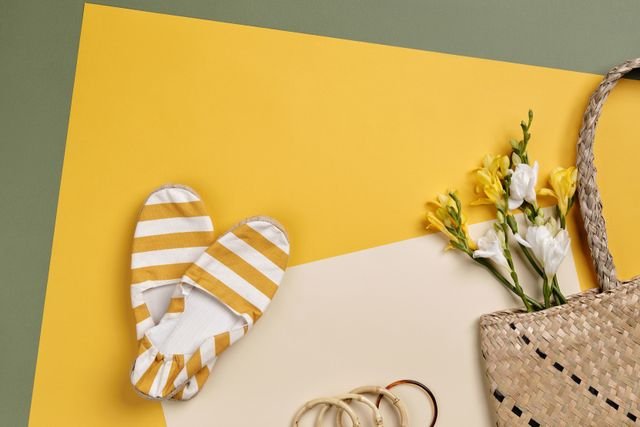
Some shoes are designed to make a statement. Others quietly become the pair you reach for over and over again because they work with almost everything. Espadrilles sit firmly in that second category. They’re relaxed without looking sloppy, polished without feeling overly formal, and easy enough to wear through long summer days when heavier footwear starts to feel like hard work.
That balance is a big reason espadrilles continue to hold their place in warm-weather wardrobes. They can sit comfortably between sandals, flats and casual loafers, making them useful when you want something breezy and unfussy but still put-together enough for lunch, travel, work or an evening out.
The Appeal Is in the In-Between
One of the best things about espadrilles is that they don’t belong to one narrow category. They’re casual, but not beach-only. They can look elegant, but they don’t carry the formality of a structured leather shoe. That makes them particularly useful during warmer months, when dressing can become a constant negotiation between comfort and looking presentable.
A flat espadrille can work with linen trousers, jeans, skirts or relaxed dresses, while a wedge version can add height without feeling as severe as a traditional heel. Neutral shades tend to disappear easily into an outfit, whereas brighter colours or patterns can provide the focal point without requiring much else.
That versatility is why they often become holiday favourites. One pair can cover several situations, which is handy when suitcase space is limited and nobody wants to pack six pairs of shoes for a five-day trip.
They Bring Texture Without Overcomplicating an Outfit
Warm-weather dressing often relies on fairly simple shapes: cotton shirts, linen pants, loose dresses, shorts and lightweight tailoring. When the clothing is minimal, texture becomes more noticeable.
The woven or rope-style sole traditionally associated with espadrilles introduces that texture naturally. It gives even a simple outfit a little more visual interest without making it look heavily styled.
Pair them with white linen and the look feels coastal. Wear them with cropped trousers and a blazer and they become more polished. Add a flowing dress and they feel relaxed and summery. The shoe itself doesn’t need to change much; the surrounding outfit does the work.
That adaptability is useful for anyone trying to build a wardrobe around pieces that can move between different settings rather than being reserved for one very specific occasion.
Flat, Wedge or Something in Between?
Not all espadrilles offer the same experience underfoot.
Flat styles are usually the easiest to wear casually and can be a practical alternative to sandals when you want more coverage. They work well for daytime wear, travel and situations where you’ll be moving around frequently.
Wedge espadrilles create a different silhouette. They can provide noticeable height while spreading weight more evenly than a narrow heel, which is one reason they’ve remained popular for summer events and outdoor occasions. They also tend to work well with longer dresses and wide-leg trousers where completely flat footwear can sometimes disappear beneath the hem.
Platform styles sit somewhere between the two, giving extra height without the angle of a wedge. The right choice largely comes down to how you’ll actually wear them rather than which version happens to be trending.
Fit Matters More Than People Expect
Because espadrilles often look soft and relaxed, it’s easy to assume fit doesn’t matter as much as it does with more structured footwear. In reality, a poor fit can become annoying very quickly.
Shoes that are too loose may slip at the heel, while a pair that’s too tight can feel uncomfortable across the toes or forefoot. Materials can also behave differently with wear, so it’s worth considering whether the upper is likely to soften or give slightly over time.
If you’re choosing a pair for travel or long days, try to think beyond how they feel while standing still. Walk around, check whether the heel lifts excessively and make sure there’s no obvious rubbing. A shoe you’ll genuinely wear for hours needs to feel secure without pinching.
They Work Particularly Well With Natural Fabrics
Espadrilles and natural summer fabrics tend to complement one another almost automatically.
Linen, cotton, lightweight denim and woven textures all share the same relaxed quality, so the outfit feels cohesive without looking overly coordinated. This is particularly useful if you prefer understated dressing, where the goal is less about dramatic styling and more about getting proportions and textures right.
A pair of tan espadrilles with cream linen trousers and a cotton shirt can look finished with almost no effort. Black versions can sharpen up a simple midi dress, while lighter shades can keep darker outfits from feeling too heavy in warm weather.
The result tends to feel effortless because the pieces speak the same visual language.
They’re Useful Beyond Summer Holidays
Espadrilles are strongly associated with resort dressing, but they can work perfectly well in ordinary city life.
They’re useful for casual offices, weekend lunches, markets, gallery visits, dinners and those awkward semi-dressed-up occasions where sneakers feel too casual but heels feel excessive. Depending on the design, they can also transition into spring and early autumn, particularly in milder climates.
That broader usefulness is important. The most successful wardrobe purchases are usually the ones you can picture wearing in several different ways rather than only for one imagined holiday that happens twice a year.
A Little Care Helps Them Last
Espadrilles can require slightly different care from ordinary leather shoes because the woven sole doesn’t always respond well to heavy moisture.
It’s generally sensible to avoid soaking them, particularly if the sole contains natural fibres. Light marks on the upper can often be dealt with carefully depending on the material, while allowing damp shoes to dry naturally is usually preferable to placing them near direct heat.
How much maintenance they need will depend on the construction, but treating them as warm-weather shoes rather than all-terrain footwear usually helps preserve their appearance.
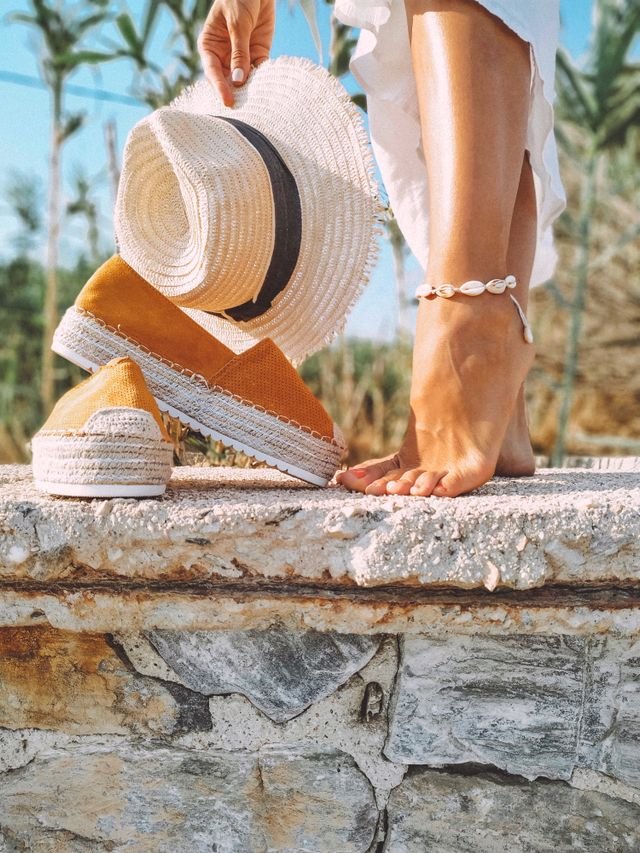
Easy Shoes Earn Their Place
There’s a reason certain styles return every summer. They solve a practical wardrobe problem.
Espadrilles offer more structure than a sandal, less formality than a conventional dress shoe and enough variety to suit everything from relaxed daywear to slightly smarter occasions. They can be understated, colourful, flat, elevated or somewhere in between, which gives them a flexibility many seasonal shoes don’t have.
Most importantly, they’re easy to wear. And when the weather is warm, plans change throughout the day and you’d rather not spend ten minutes deciding what works with your outfit, easy can be exactly what you want.







Leave a comment