

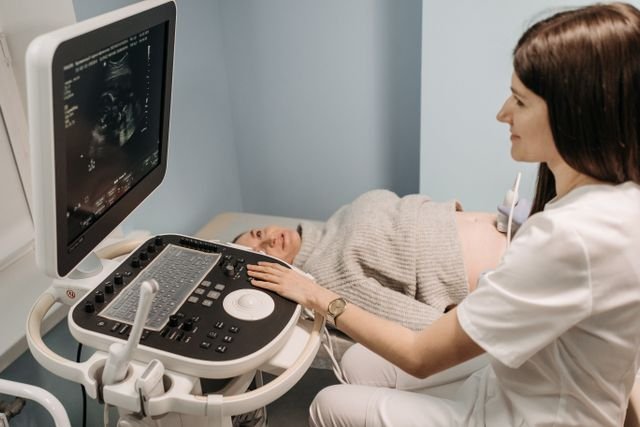
Your first fertility appointment might be a mix of hope, uncertainty and information overload. Having a limited, precise schedule can make the talk easier. And you don’t have to analyse the situation yourself. The purpose is to provide the professional with important data, questions and documents so that they can comprehend your situation and explain the proper next steps.
Start with the Important Dates
Note how long you have been trying to conceive, average cycle length and any major changes. Previous pregnancies, pregnancy losses, fertility treatment if applicable If exact dates are not available, approximate dates are okay. “An apparently random list of notes is not as helpful as a simple list, chronologically.
Collect Records Without Interpretation
When attending a fertility specialist in melbourne ask the clinic what test results, images, referral letters or treatment summaries should be sent. Bring a list of current medications/supplements, with doses if known. Don’t stop a prescription drug based on general information. drug decisions should be made with the clinician who knows your health history.
Include Both Parts, When Relevant
Factors related to either partner may be involved in fertility assessment, so the clinic may ask for information or testing from both. Record pertinent past medical history, previous investigations and practical availability for visits. A spouse or support person can help you remember facts, too. However, check with the clinic about their attendance arrangements and decide what is comfortable for intimate chats.
Write Questions In Order Of Priority
Appointments can be about anything, yet the biggest question is easily overlooked. First, place the top three. You may be wondering what the assessment is for, what tests are considered, when you might get the results and what treatment options might follow. Also ask about prices, time commitment, and who to contact between visits.
State your objectives and limitations
In clinical practice, decisions are made. What is doable may be affected by work schedules, travel, caring obligations, resources and emotional capacity. Sharing these limits is not a distraction from care; it allows the team to present possibilities in a more realistic way. If there are any particular examinations, procedures or topics that make you anxious, please mention them so the talk may continue with the right support and consent.

Depart With a Written Next Step
Before the appointment is over, ask what happens next, who will arrange it and when follow-up is expected. If instructions are unclear, ask for clarification. This article is for general preparation information only and cannot substitute for particular medical advice. If you have severe pain, heavy bleeding, fainting or other symptoms that worry you, get quick medical care utilising emergency services where appropriate.









Leave a comment