

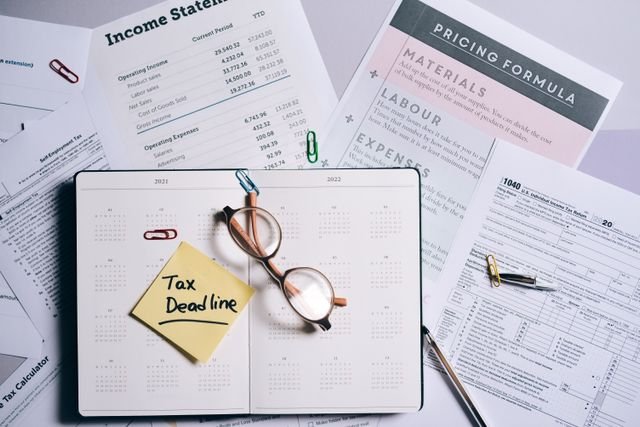
Every year, as June rolls around, a familiar scene unfolds in small businesses across Australia. Shoeboxes of receipts are dragged out from under desks. Spreadsheets that have not been touched since February are reopened with a sense of dread. Owners make frantic calls to their accountants asking whether it is too late to buy that new laptop and claim it.
It does not have to be that way. With a bit of preparation, the end of the financial year can be an opportunity rather than a scramble. Working with a good accountant, such as the team at Elevated Accounting, throughout the year rather than just in June makes the process far smoother, but there is plenty you can do yourself to get organised.
Get your records in order
The foundation of a stress-free tax time is good record keeping. The Australian Taxation Office generally requires businesses to keep records for five years, including receipts, invoices, bank statements and records of any assets.
Cloud accounting software has made this much easier. If you are still relying on paper receipts, consider apps that let you photograph and store them digitally. Reconcile your bank accounts regularly so you are not trying to make sense of twelve months of transactions in one sitting.
Chase outstanding invoices
Before the year ends, review who owes you money. Follow up on overdue invoices and consider whether any debts are genuinely unrecoverable. If you account on an accruals basis, bad debts that are written off before 30 June may be deductible, so it is worth discussing with your accountant.
Review your expenses
Take a close look at your business expenses and make sure you have captured everything you are entitled to claim. Common deductions include rent, utilities, phone and internet costs, insurance, professional fees, advertising, subscriptions, travel and vehicle expenses.
If you work from home, you may be able to claim a portion of running costs, but the rules are specific. Keep accurate records of hours worked from home and seek advice on the method that applies to you.
Think carefully about asset purchases
Buying equipment before 30 June can bring forward deductions, but it should never be the main reason for a purchase. Only buy assets your business genuinely needs.
Depending on the rules in place for the year and your business’s turnover, small businesses may be able to immediately deduct certain assets or depreciate them more quickly. The thresholds and conditions change from time to time, so check the current rules with your accountant before you buy.
Pay super on time
If you have employees, superannuation guarantee contributions must be paid by the relevant due dates. To claim a deduction in the current financial year, contributions generally need to be received by the super fund before 30 June, not just paid from your account. Allow plenty of processing time, especially if you use a clearing house.
Business owners should also consider their own super. Making personal contributions may be tax-effective, but caps apply, so get advice before making large payments.
Check your stocktake
Businesses that hold trading stock need to account for its value at the end of the financial year. A stocktake helps identify slow-moving or obsolete items, which may be written down or disposed of. It also gives you valuable information about what is selling and what is not.
Review your business structure
As your business grows, the structure that suited you at the start may no longer be the best fit. Sole traders, partnerships, companies and trusts each have different tax, legal and administrative implications. The end of the financial year is a good time to discuss with your accountant whether your structure still suits your goals.
Plan for next year
Once the paperwork is done, take some time to look ahead. Review your profit and loss, identify trends and set targets for the coming year. Consider whether your pricing still covers your costs, which products or services are most profitable and where you can improve cash flow.
Setting aside money for tax throughout the year, rather than waiting for a bill, can make a huge difference. Many businesses open a separate account and transfer a percentage of income regularly.
Get professional advice
Tax rules are complex and change regularly. A qualified accountant can help you stay compliant, identify opportunities and avoid costly mistakes. The fees are usually far outweighed by the time saved and the advice gained.
A calmer June
The end of the financial year will never be anyone’s favourite time, but it does not need to be a nightmare. Good habits throughout the year, combined with a little focused effort in May and June, can turn it into a simple checkpoint. Your future self, and your accountant, will thank you.










Leave a comment