

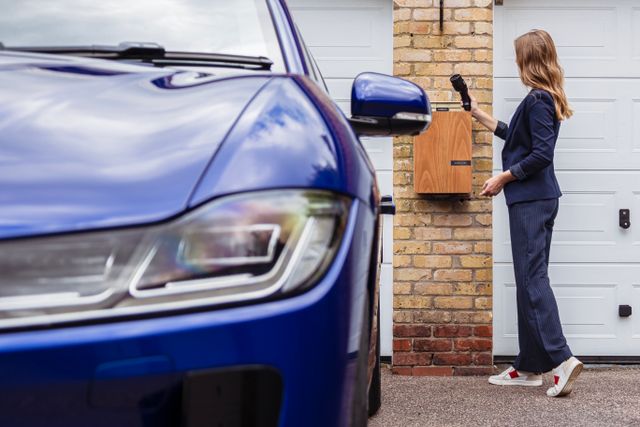
Imagine yourself picture perfecting your neighbour’s garage with a slick wall-mounted charger, the cord nicely coiled, ready to plug in. They don’t even own an EV yet, but they’re not jumping the gun, they’re thinking ahead. All over Perth, a lot of homeowners are installing EV charging gear the same way they used to view solar panels: get in early, stay a step ahead, and avoid all the chaos that breaks out when everyone else catches up. And to be honest, that makes sense, given what Western Australia’s own government is predicting for the next 10 years.
The WA Government’s 2025 Electricity Statement of Opportunities forecasts that there’ll be about 250,000 battery electric and plug-in hybrid vehicles on WA roads by 2030; that’s roughly a rewrite of their earlier estimates. That’s a huge increase and the pressure on ev charging perth is already starting to show, and the people who take the bull by the horns now are the ones who won’t be stuck queuing at the shopping centre for a quick top-up on a Sunday evening wondering if they’ll still be making dinner reservations.
What Public Charging Can’t and Won’t Ever Cover?
Perth’s public fast charging network has got better, but for people living in the outer suburbs, coverage is still pretty patchy and it’s a hit-or-miss situation if the chargers are even working properly. There’s regular vandalism, communication issues between vehicles and charge points, and basic hardware maintenance problems on the WA network. You can’t count on a public charger in some suburb a few miles away to top up your EV every morning. That’s just not a solid plan. With home charging, you can plug in at 10 o’clock at night, wake up in the morning and you’ve got a full battery ready to roll. That’s convenience, no queuing, no running around town, no worrying.
AC or DC: Most People Get This One Wrong
When it comes to installing a residential EV charger, people almost always go with AC gear, which is perfectly fine for most homes in Perth. For the vast majority of people here, that is the right choice. A standard 7kW single-phase AC charger will give most EVs a full overnight charge. You only need to think about upgrading to a 22kW three-phase unit if your house has got three-phase supply, and even then most passenger EVs will only be able to handle up to 11kW AC. DC fast charging is best left to commercial forecourts; it’s too expensive and complicated for a residential garage. You don’t get much of a benefit from it but the cost and hassle of setting it up is huge.
Smart Charging Isn’t Some Fancy Luxury Item
The one thing that really will get those running costs down is scheduling a charge to line up with Synergy’s off-peak tariff window. Smart chargers which have Wi-Fi connectivity and come with an app allow homeowners to set charge windows, keep an eye on how much energy each session is using, and even make the most of any rooftop solar generation being put into the charging cycle. Homes with solar panels are already way ahead of the game: with a smart charger configured to use that daytime solar power first, you end up charging the car using electricity that’s already been generated. Getting loads under control is another thing; older homes with smaller switchboards may actually need an upgrade before they can safely run a charger at full output, and a smart system can at least limit the draw to protect the existing supply.
What the Installation Process Really Entails?
A professional residential EV charger installation process requires a site assessment, not just quoting from a price list. There should be an assessment of the switchboard capacity, the cable route to where the charger will be installed, and if there is single-phase or three-phase supply. It is expected to meet the requirements of the AS/NZS 3000 wiring standards and be performed by a licensed electrician in Western Australia. Permits are needed. An offer of installing a charger that does not meet these requirements warrants a serious inquiry before starting the job.
Before planning an installation, it’s advisable to consider the following:
- The capacity of the switchboard to handle the load.
- The cable run distance from the switchboard to the garage or carport.
- Compatibility with solar energy and off-peak charging.
- What kind of completion documents will be provided (especially the electrical compliance certificate).
Grants & Incentives Worth Looking Into
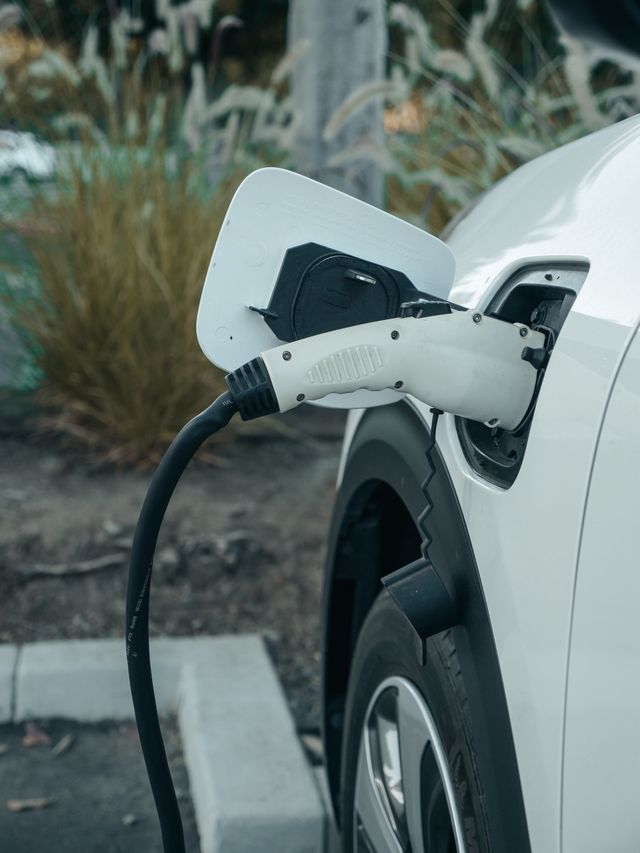
There are EV charging grants for eligible commercial and community properties under the DRIVEN initiative, which is a federal government program. The eligibility for residential charging grants depends on when the rounds of the program are open, so it is recommended to check the possibility of getting one prior to buying equipment. The difference in timing could amount to substantial savings in the project cost. The economics of home charging benefits from such investments in the long term, especially since the costs of using public chargers will continue to increase faster than electricity prices at home.








Leave a comment