

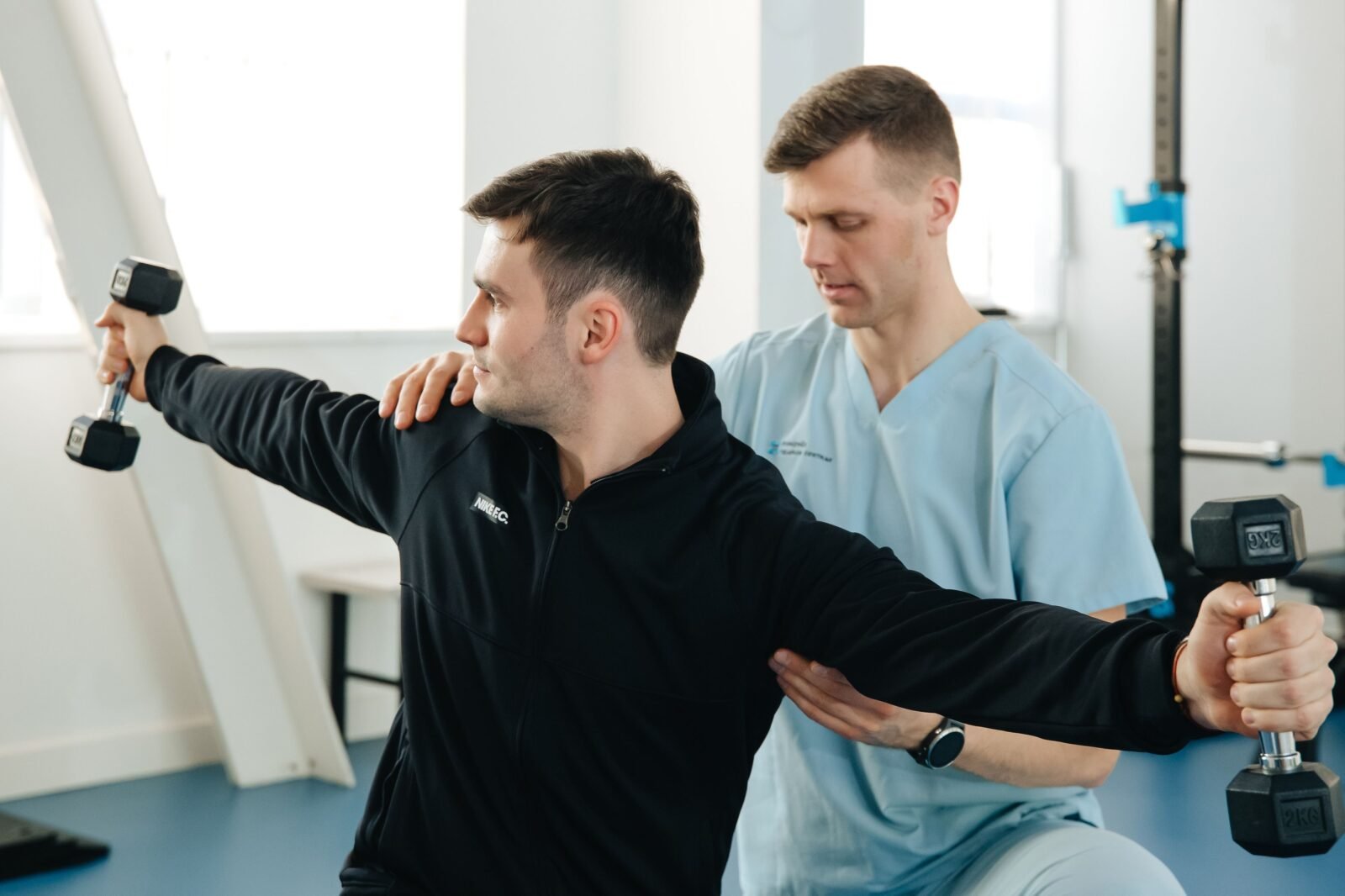
Every person has different physical needs, health backgrounds, and activity levels. A treatment approach that works well for one individual may not be appropriate for another.
Personalised treatment plans begin with an assessment of the individual’s current physical condition, medical history, symptoms, and personal goals. Healthcare professionals use this information to identify areas that may require attention.
For example, someone recovering from a sports injury may need a different rehabilitation programme from someone experiencing ongoing joint stiffness or reduced mobility.
By considering these differences, healthcare providers can recommend appropriate interventions that are relevant to the individual’s circumstances.
Supporting Effective Injury Recovery
Recovering from an injury often requires a structured approach that considers the severity of the condition and the body’s healing process.
A personalised rehabilitation plan may include guided exercises, mobility activities, strengthening techniques, and other suitable treatments. These interventions can help improve movement, restore physical function, and support a gradual return to everyday activities.
The treatment programme should also be adjusted according to recovery progress. Healthcare professionals from backinmotion.com.aumonitor improvements, identify difficulties, and modify exercises when necessary.
This flexibility helps ensure that rehabilitation remains appropriate as the individual’s physical abilities change.
Improving Strength, Mobility, and Flexibility
Maintaining physical strength, mobility, and flexibility is important for everyday movement and long-term physical independence.
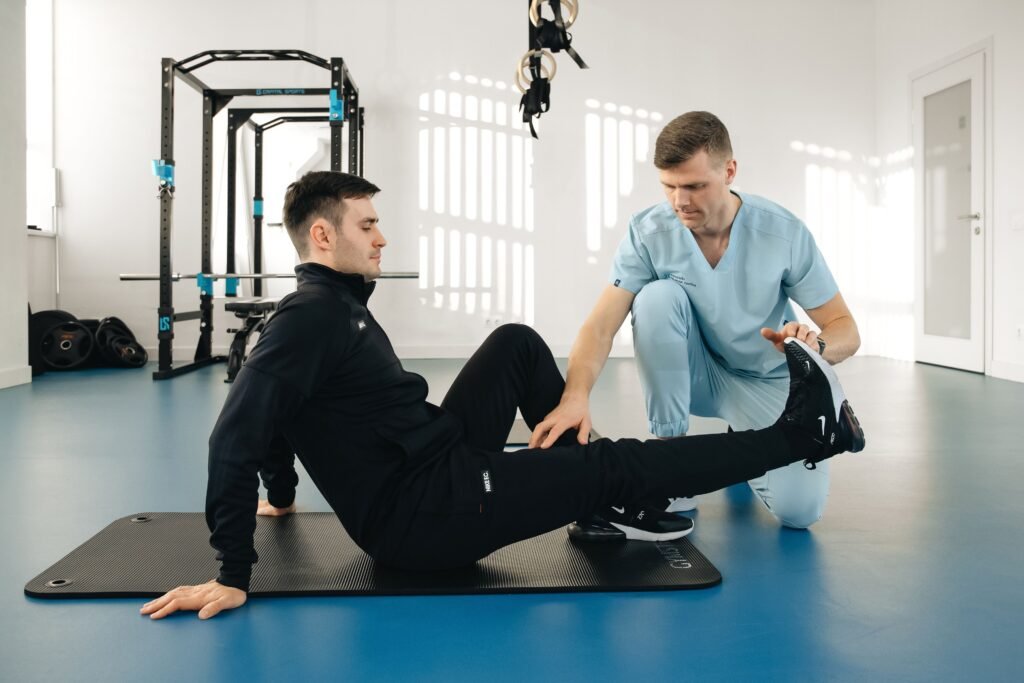
Personalised treatment plans can include exercises designed to target specific muscle groups, improve joint movement, and develop physical stability.
For example, individuals experiencing reduced mobility may benefit from controlled stretching and movement exercises, while those looking to improve muscle strength may require progressive resistance activities.
A physiotherapist or other qualified healthcare professional can recommend suitable exercise intensity and progression based on individual abilities.
Regular participation in an appropriate programme can support better movement patterns and help individuals maintain their physical capabilities.
Encouraging Consistent Healthy Habits
Long-term physical health depends on consistent habits rather than occasional improvements. Personalised treatment plans can provide a structured framework that encourages individuals to take an active role in their wellbeing.
Depending on individual requirements, recommendations may include regular physical activity, appropriate rest, posture awareness, and practical lifestyle adjustments.
Setting realistic goals can also make it easier to maintain motivation. Instead of attempting major changes immediately, individuals can focus on achievable improvements and gradually build healthier routines.
Healthcare professionals can provide guidance and encouragement to help people remain consistent with their treatment recommendations.
Monitoring Progress and Adjusting Treatment
One important advantage of personalised treatment is the ability to review progress and make changes when necessary.
Regular assessments allow healthcare professionals to evaluate improvements in strength, flexibility, mobility, and overall physical function.
If an individual is progressing well, the treatment programme may gradually introduce more challenging exercises. If certain activities cause discomfort or are not producing the expected results, adjustments may be required.
This ongoing monitoring helps ensure that treatment remains aligned with the individual’s changing needs and recovery objectives.
Supporting Preventive Healthcare
Personalised treatment plans can also contribute to preventing future physical problems. Identifying movement limitations, muscle imbalances, and lifestyle-related risk factors may help individuals understand areas that require attention.
For example, people who spend long hours sitting may benefit from guidance on posture, movement breaks, and suitable strengthening exercises.
Similarly, individuals involved in regular sports activities may require conditioning programmes that support physical preparation and recovery.
Although treatment plans cannot prevent every injury or health condition, appropriate professional guidance can help individuals make informed decisions about maintaining their physical health.
Building a Long-Term Relationship with Healthcare Professionals
Ongoing communication between individuals and healthcare professionals can make a valuable difference to long-term physical wellbeing.
A professional who understands an individual’s health background and progress can provide more relevant recommendations during future consultations.
This relationship also creates opportunities to discuss new concerns, review personal goals, and adapt treatment strategies as circumstances change.
Individuals should communicate openly about their symptoms, treatment experiences, and any difficulties following their recommended programmes.






Leave a comment