

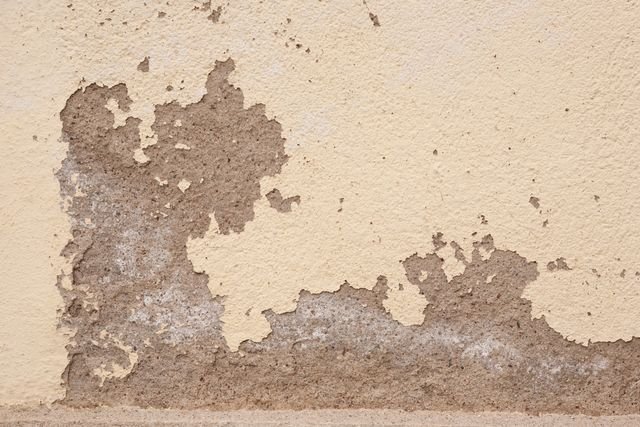
A tide mark along the skirting board may look like a tiny design problem but the apparent stain is frequently the concluding stage of a lengthy trip of moisture. Porous masonry can let water through, bringing salts to the surface and slowly affecting plaster, paint and timber adjacent. So an effective answer begins with diagnosis, not a fresh coat of paint. “The goal is to see where the moisture is coming in, how the wall is behaving and what needs to change before the finish is put back.”
Start with the moisture path
The first step in an effective rising damp remedy is to differentiate actual rising moisture from leaks, condensation, poor drainage and other causes that can cause similar markings. The height and pattern of damage, the state of external ground levels, neighbouring plumbing and the age of the building indicate the background. No single symptom should be enough to make the diagnosis. A thorough assessment provides a clearer picture and ensures that repairs are not aimed at the wrong cause.
Read the salts as part of the tale.
Moisture travelling through brickwork can carry soluble salts that persist after the water evaporates. These salts can force paint from the wall, create pale deposits, and draw more moisture in damp situations. Wiping them away may make them look better for a while, but it doesn’t explain how they got there. Their position, texture and return after cleaning can help lead to the next stage of study.
Treat the building prior to the finish
The long-term planning can include drainage improvements, ground level correction, repair of a failed barrier or the use of an appropriate remedial system for the structure. The sequence is important since the moisture movement, if still in progress, cannot be corrected by new plaster and paint. The materials must also be suitable with the wall. Some buildings have dense finishes that trap moisture, while permeable systems may allow the cloth to dry more naturally after the source is removed.
Let drying take real time
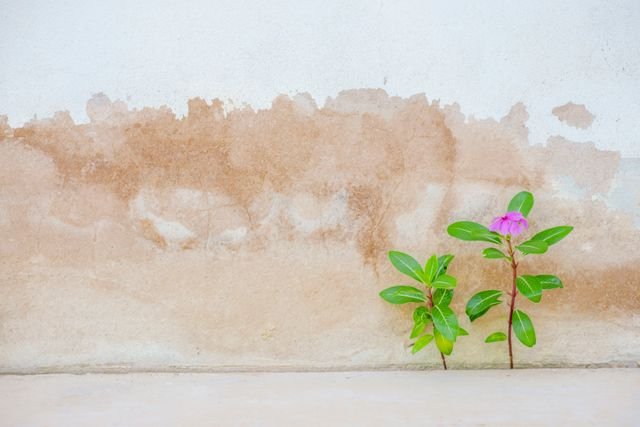
A wall that seems dry on the surface may have moisture deeper in the substance. Drying speed depends on wall thickness, ventilation, weather and the size of the original problem. Haste in redecorating can lead to scorching, discolouration or another round of repairs. A smart program is to monitor and have realistic waiting periods, finishes are applied only when conditions are acceptable and not when the room just appears ready.
Hold to keep the fix
The final consideration is water management. Gutters and downpipes. Paving falls. Garden beds and subfloor ventilation. All of these might affect moisture around a building. Periodic checkups are so much easier than redoing a big interior repair. When owners are aware of the initial cause and the indicators of recurrence, the finished work is more than a cosmetic improvement. It is part of a practical scheme for keeping the wall sound.






Leave a comment