

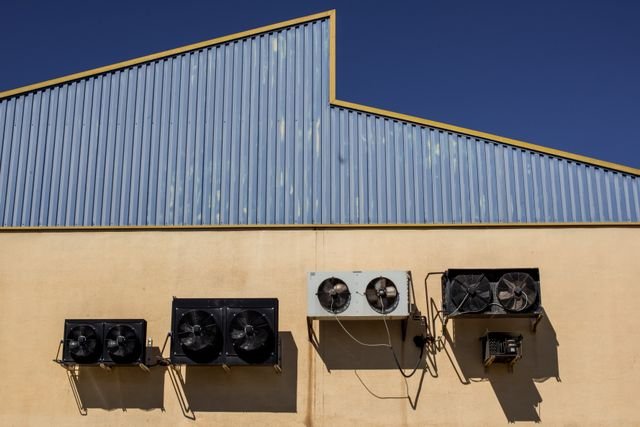
Every single month in 2025 was hotter than the average throughout Australia, claims the Bureau of Meteorology. That year ended as the fourth warmest on record, 1.23°C warmer than the average. In an inland factory in Wagga Wagga or an office building in Griffith, that statistic translates to just one thing: will your commercial cooling systems survive until January?
Why Riverina Heat Demands More from Your Building?
Summers in the Riverina are hot, dry and sunny, with afternoon heat warming tin roofs and concrete floors. Commercial buildings generate heat through human bodies, lights, machines, and computers. This means commercial cooling systems Riverina should be more efficient than those designed to cope with a milder climate. Inland buildings require a different approach than coastal ones.
Each type of building generates heat differently. It may be a showcase store with glass frontage, a food manufacturing plant or a steel fabrication shop.
Refrigerated Air or Evaporative Cooling?
Commercial projects mostly have only two options that apply depending on the type of building.
- Refrigerated air conditioning is meant for cooling and drying air in enclosed rooms, applicable for offices, clinics, shops and server rooms.
- On the other hand, evaporative cooling uses large volumes of water-cooled fresh air flowing through open places, suitable for workshops, warehouses and factories.
Evaporative cooling works well in dry air inland; that’s why it is popular in the region. Its capacity decreases in humid and stormy conditions; besides, it requires open doors or windows for proper performance. Refrigerated air conditioning maintains temperature whatever the weather condition is; however, it is relatively expensive in large rooms with lots of ventilation.
Both types of equipment may be used simultaneously in a site. Offices and lunchrooms use refrigerated air conditioning and evaporative equipment serves the factory floor.
Sizing and Ductwork Make All The Difference in Real Performance
The size of an aircon unit is not the only thing that matters, in fact, sometimes a bigger one isn’t necessarily better. Oversized systems are constantly kicking in and out, and that just wastes power and leaves rooms feeling clammy. On the other hand, an undersized unit will run flat out all afternoon but still struggle to keep the temperature down.
Ductwork is one of those things that quietly decides how well a whole system performs. Ducts that are too small, leaky or just plain poorly routed through a hot roof space can’t deliver the cool air where it’s needed. And when you have custom-made ductwork designed specifically for your building, it usually ends up giving you a much more even level of comfort than those generic off-the-shelf runs.
Fresh Air, Dust and Fumes Can’t be Ignored When it Comes to Your Plan
Let’s face it, a cool room that’s just as stale as the outside air at the end of a shift still feels heavy and uncomfortable. Bringing in some fresh air and ventilation is the easiest way to clear out that stale air and prevent it from building up under the roof. And in workshops, spray booths and commercial kitchens, extraction systems are vital for pulling out dust, smoke and fumes that would be a real hazard for workers.
Work health and safety laws actually treat heat as a genuine workplace hazard, not just something that’s a bit uncomfortable. As an employer, you do have a duty to manage that risk, including inside sheds and warehouses. And one of the clearest ways to do that is to make sure you’ve got a well-planned cooling and ventilation system in place.
The Refrigerant Question
From 2018 onwards, Australia has been phasing down the use of high-impact HFC refrigerants, and one way they’ve done that is by limiting bulk gas imports. The good news is that this phase-down doesn’t affect equipment that’s already been installed, so if you’ve got an older system already up and running, you can keep on keeping on. However, it’s worth noting that some of those older refrigerants might become harder or more expensive to get your hands on for future top-ups.
For any new projects you’re working on, it’s a good idea to look into some of the lower impact refrigerant options that are available. And just a heads up, anyone handling refrigerant needs to have the right national licence, so it’s no DIY job.
Getting Your Cooling System Ready Before the First Heatwave Hits
Cooling systems tend to fail at the worst possible moment, ie, on the hottest afternoon of the year. They usually don’t break down on a mild day. So it makes sense to get in some servicing before the weather really starts to heat up, and that’s usually in late winter or early spring. At that time, you can spot any worn parts while there’s still time to replace them.
A pre-summer check usually covers things like:
- Cleaning out the condenser coils that are clogged up with dust, chaff and insects, it makes a big difference to how hard your unit has to work.
- Checking the refrigerant levels and looking for any leaks that might be costing you money.
- Replacing the filters and evaporative cooler pads, a bit of maintenance can make a big difference in the performance of your system.
- Testing out the fans, belts and controls to make sure they’re all working as they should.
- And finally, getting the airflow sorted so every zone is getting its fair share.
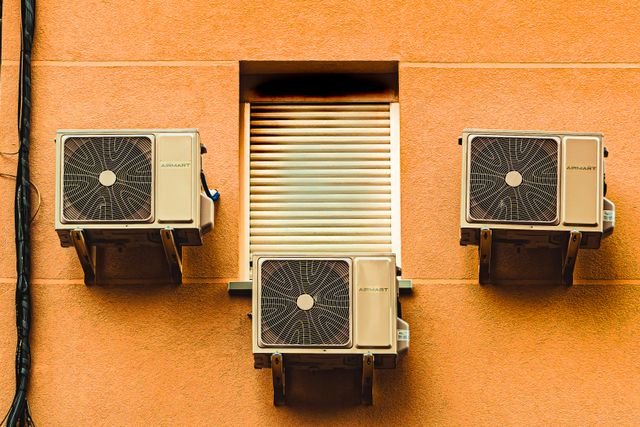
Outdoor units also need a bit of room to breathe, and if possible, some shade to help them out. A condenser that’s baked against a west-facing wall is going to work a lot harder than one that’s got a bit of airflow around it.
Small problems usually show up weeks before a breakdown. Rooms that are taking longer to cool down, unusual noises coming from your unit, water dripping from the indoor units, and rising power bills, all of these things deserve a bit of attention from a technician.
The Riverina’s next 40°C afternoon is just around the corner, and workplaces that get their cooling system right, keep the air fresh, and book in a service before spring ends will be the ones feeling the difference first.






Leave a comment