


Packaging automation is undergoing a pretty significant transformation, with manufacturers now desperate to boost productivity, cut down on costs, and do their bit for the environment. Across Australia, climbing labour costs, supply chain disruptions, and tougher environmental regulations are really driving investment in some pretty advanced packaging technologies. Industry insiders reckon the Australian packaging automation market brought in around USD 1.02 billion in revenue last year and is expected to hit USD 1.81 billion by 2033. That’s a pretty impressive growth rate and it’s driven in large part by the demand for automated solutions across all sorts of industries food and drink, healthcare, consumer goods and more.
Robotics and End-of-Line Automation Are Right on the Rise
One of the most noticeable trends out there is the way more and more companies are turning to robotic packaging systems. These days, end-of-line operations like case packing, palletising, sorting and wrapping have traditionally been pretty labour-intensive. However, with wages going up and finding good staff getting harder, automation just makes more sense. Not surprisingly, a recent forecast reckons the global end-of-line and warehouse packaging automation market is going to grow from around USD 5.1 billion last year to nearly USD 7.5 billion by 2029. A pretty impressive 7.9% annual growth rate. Australian manufacturers are now starting to combine robotic systems with conveyor networks and automated storage systems to create seamless production lines. There’s some pretty cool kit out there, take a pallet wrapper, for example. Nowadays it’s not uncommon for this sort of thing to be linked up to warehouse management software. This gives you real-time tracking of packaged goods, as well as a big reduction in manual intervention.
Artificial Intelligence Has Moved Beyond Predictive Maintenance
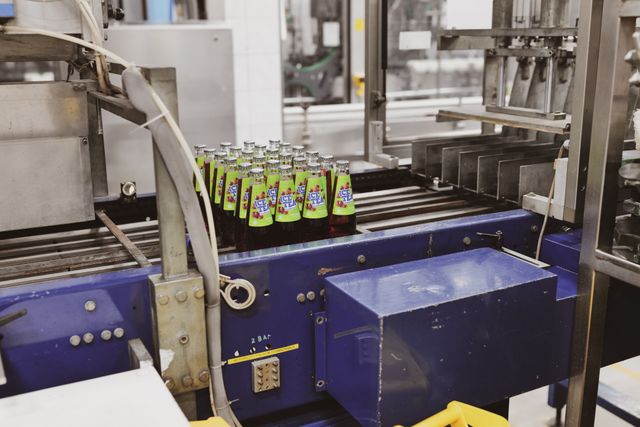
Artificial intelligence has come a long way from just being a maintenance tool, and is now a core part of most manufacturing operations. Earlier automation systems used to rely on pretty standard scheduled servicing intervals, which often meant that equipment was either left sitting idle or repaired too late. Modern AI-powered packaging kit, on the other hand, is always on the go, analysing a whole range of factors like vibration patterns, motor performance, temperature fluctuations and production speeds to identify any inefficiencies before they cause problems. Research across all kinds of manufacturing environments shows that predictive maintenance can cut unplanned downtime by as much as 30% to 50% and extend the life of the kit. In packaging facilities, AI algorithms are also being used to tweak machine settings, improve line balancing, and automatically adjust packaging parameters to suit different products.
Smart Packaging Is Becoming an Essential Supply Chain Management Tool
Smart packaging technologies are no longer just about getting consumers engaged. They’re now a critical part of supply chain management. Advanced packaging now comes with all sorts of bells and whistles, such as QR codes, RFID tags, NFC chips, and sensor technologies that give visibility throughout distribution networks. The pharmaceutical and food sectors are leading the charge here, due to all the stringent traceability requirements. Smart labels can record temperature exposure, monitor humidity levels, and even verify product authenticity. This all reduces the risk of spoilage and makes it a lot easier to comply with regulations. For Australian manufacturers shipping products to international markets, real-time tracking technologies can help cut down on the losses and damage that come with shipping.
Sustainability Takes Centre Stage in Equipment Design Decisions
Sustainability has gone from being a nice-to-have branding stunt to a top-of-the-list consideration when choosing new equipment. The pressure is on for packaging companies to get their material consumption down while still making sure their products stay safe and intact. The numbers bear that out in Australia, a whopping 86% of packaging is now considered reusable, recyclable or compostable. Still, despite some progress, plastic recycling rates are still pretty low at around 20% which only goes to show just how much more innovation is needed. As a result, the suppliers of packaging equipment are busy coming up with machines that can handle thinner and thinner films, reusing and recycling materials, and even using fibre-based alternatives instead. It’s not just about the equipment itself either. The automation systems that go with them are now using super-accurate controls to cut material waste to the bone during the forming, sealing and wrapping stages.
The Internet of Things Is Revolutionising the Way We Connect Our Equipment
Industrial Internet of Things or IIoT for short is turning our packaging equipment into real-time data-gathering machines. Your average modern machine is now sending operational data to the cloud on an ongoing basis, allowing the higher-ups to keep an eye on performance right across the board. Connected packaging systems give our decision-makers a wealth of information on machine use, energy consumption, downtime and production efficiency. Gone are the days of having to wade through dusty old reports on a quarterly basis just to get a sense of what’s going on. Now managers get to see it all in real-time on a single dashboard and take action straight away. For companies with operations sprinkled all over the country like a lot of Australian manufacturers, this level of visibility is just invaluable.
Flexible Automation Is Where the Industry Is Headed
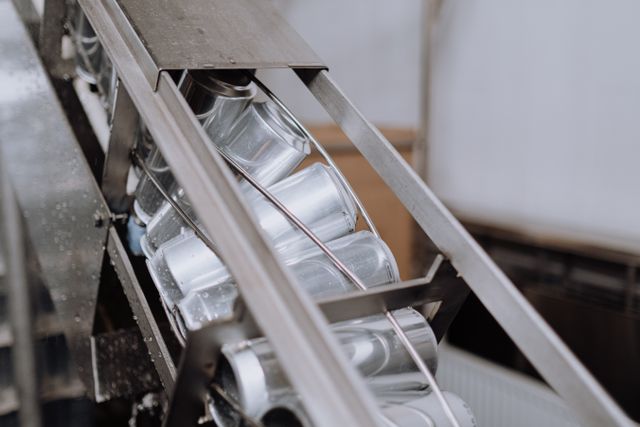
Consumer demand for customisation is driving manufacturers to move from traditional fixed production lines to more flexible automation systems. Gone are the days when a factory would crank out huge batches of one particular product, changing over the machines a few times a year. Now, with shorter production runs, seasonal variations and constant packaging redesigns, manufacturers need equipment that can cope with all that change. Modern packaging machinery is now designed with modules that can be swapped out easily, digital controls that make it all simple to use, and automated changeovers that cut setup times. We’re seeing some big growth in the food and beverage space. The healthcare industry is expected to be where the action is over the next decade and that’s all because of the need for adaptable systems that can keep up with changing product formats and tight regulations.











Leave a comment