

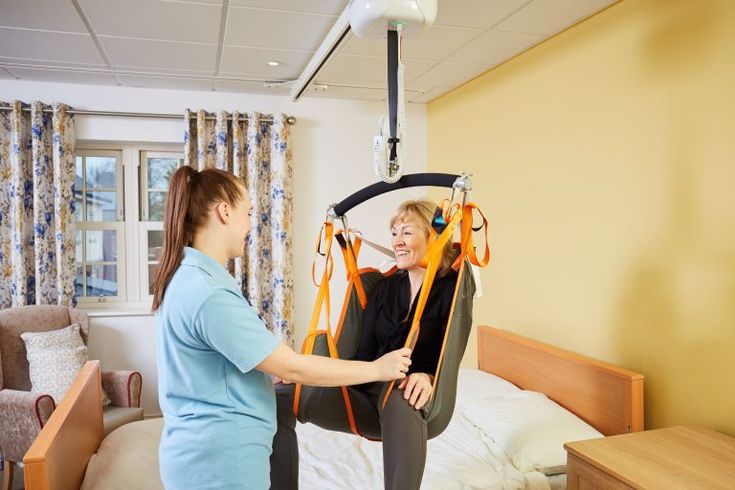
Safe patient handling is a critical aspect of healthcare that often gets overlooked. Every day, caregivers are faced with the challenge of moving patients who may have limited mobility or require special attention. This task can be physically demanding and carries inherent risks for both staff and patients if not done correctly. Enter hoist slings: a vital tool designed to enhance safety during these transfers.
Understanding the nuances of hoist slings can make all the difference in ensuring comfort and security for those you care for. With various options available, selecting the right sling becomes essential in promoting safe practices within your facility. Let’s explore how hoist slings contribute to better patient outcomes while protecting your team from injury—all through informed choices and proper training.
The importance of safe patient handling
Safe patient handling is crucial in healthcare settings. It protects both patients and staff from injury, ensuring a more efficient workflow, especially when using equipment like hoist slings.
When caregivers prioritize safety, they create an environment conducive to healing. Patients feel secure during transfers, reducing anxiety and discomfort.
Additionally, minimizing the risk of falls or accidents can lead to better health outcomes. This focus on safety also fosters trust between caregivers and patients.
For healthcare workers, proper handling techniques reduce the likelihood of musculoskeletal injuries. These injuries are common in nursing professions due to repetitive lifting and awkward movements.
By implementing safe practices, facilities not only comply with regulations but also enhance overall job satisfaction among staff members. Happy employees tend to provide better care, creating a virtuous cycle that benefits everyone involved in the healthcare process.
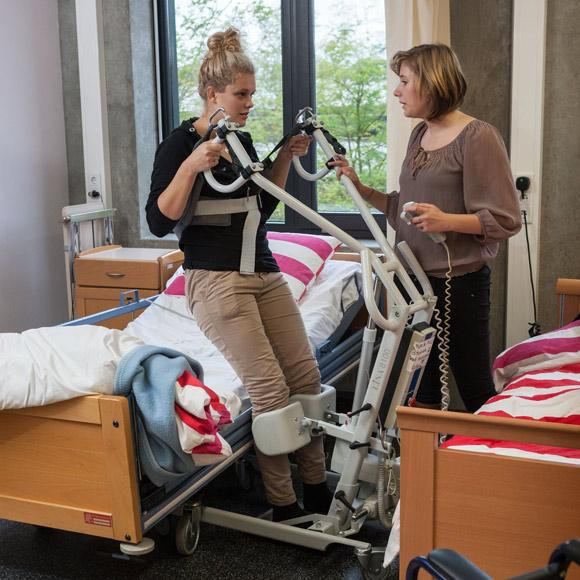
Understanding hoist slings and their role in patient safety
Hoist slings are essential tools in patient handling. They provide critical support during transfers, ensuring safety for both caregivers and patients. Understanding their structure and functionality is key to effective use.
These slings come in various designs tailored for specific needs. Some have additional padding for comfort, while others offer enhanced stability. The right choice can make a significant difference in the ease of transfer.
Properly fitted hoist slings reduce the risk of slips or falls during movement. This not only protects the patient but also minimizes strain on healthcare workers, making daily tasks more manageable.
Selecting an appropriate sling involves assessing each patient’s condition and mobility level. A thorough understanding leads to safer practices that promote dignity and respect throughout the care process.
Different types of hoist slings and their uses
Hoist slings come in various designs, each tailored for specific patient needs. One popular type is the mesh sling. Its breathable material makes it ideal for individuals who may be at risk of overheating or skin irritation.
Another option is the padded sling, which provides additional comfort and support. This design is especially beneficial for patients with delicate skin or those who require extra cushioning during transfers.
For heavier patients, a full-body sling offers secure support from head to toe. It ensures stability and helps caregivers lift safely without strain.
Transfer slings are lighter and designed primarily for moving patients short distances. They facilitate quick transitions between surfaces like beds and chairs.
Each type of hoist sling plays a critical role in enhancing safety while ensuring patient comfort during lifting tasks. Choosing the right one can significantly impact both caregiver ease and patient experience.
How to choose the right hoist sling for your facility
Choosing the right hoist sling for your facility is crucial. Start by assessing the specific needs of your patients. Consider their weight, mobility level, and any medical conditions that may affect lifting.
Next, evaluate the types of slings available. Some are designed for full support while others offer more freedom of movement. A good fit enhances comfort and safety during transfers.
Material matters too. Look for durable fabrics that are easy to clean and maintain. Breathable materials can help keep patients comfortable over longer periods.
Don’t forget to involve staff in the selection process. Their insights on daily operations can guide you toward practical choices that enhance efficiency.
Ensure compliance with industry standards when making your decision. This helps mitigate risks associated with improper use or poor quality equipment.
Proper training and guidelines for using hoist slings
Ensuring that staff members are properly trained in using hoist slings is essential for maintaining patient safety and comfort. Training should cover the correct techniques for attaching and detaching slings, as well as how to position patients safely. This education helps prevent injuries not only to the patients but also to caregivers.
Guidelines should be established within your facility that detail when and how to use different types of slings. Regular refresher courses can reinforce knowledge and skills, keeping everyone up-to-date with best practices. It’s also beneficial to encourage an open dialogue among staff about any challenges they face while using hoist slings.
Remember, a safe environment is created through awareness and practice. By prioritizing training and adhering to guidelines, facilities can enhance their approach to patient handling significantly.










Leave a comment