

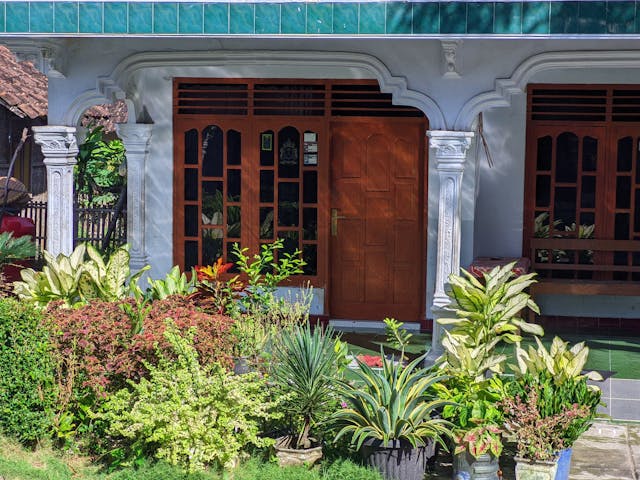
Australian home design has always been shaped by climate, lifestyle, and a strong desire for individuality. But as we head into 2025, façades are becoming more expressive, more sustainable, and far smarter than ever before. Homeowners are embracing bold materials, clean geometry, and technology that transforms the look and feel of their property from the street. Even practical additions such as automatic gates in Melbourne are now considered part of a home’s architectural identity, blending security with seamless design.
If you’re planning to build or renovate in 2025, here are the leading façade trends defining modern Australian streetscapes.
Natural Textures are Still King
The Australian love affair with timber, stone, and raw finishes shows no signs of slowing down. Designers are pairing warm timber cladding with cool, minimal render or metal elements to create a balanced, organic aesthetic. The goal is to achieve visual warmth without sacrificing durability—especially important in climates that range from coastal humidity to harsh inland heat.
Engineered and thermally modified timbers are also gaining popularity thanks to their reduced maintenance requirements and eco-friendly credentials.
Bold Geometry and Clean Lines
A shift toward sculptural, confident architecture is shaping façades in 2025. Expect to see:
- Cantilevered upper levels
- Deep overhangs
- Sharp, rectilinear forms
- Asymmetrical layouts
These modern forms bring a sense of architectural drama while creating practical benefits like passive shading and improved airflow.
Earthy, Muted Colour Palettes
Australian façades are embracing softer tones inspired by the landscape. Popular exterior colours include muted olive, warm beige, sandy taupe, charcoal, clay, and off-white. These hues create a grounding effect and pair beautifully with natural stone and timber.
Rather than the stark black and white combinations dominant in recent years, 2025 brings a more subtle, sophisticated look that adds depth without overpowering the home’s structure.
Metal Cladding as a Feature Material
Zinc, aluminium, and Colorbond have become staple materials for contemporary façades. In 2025, expect more experimentation with ribbed profiles, matte finishes, and blended metal textures that reflect light in dynamic, architectural ways.
Metal cladding is valued for its longevity, fire resistance, and sleek appearance, making it especially appealing for innovative builds in coastal and bushfire-prone areas.
Oversized Windows and Indoor–Outdoor Transparency
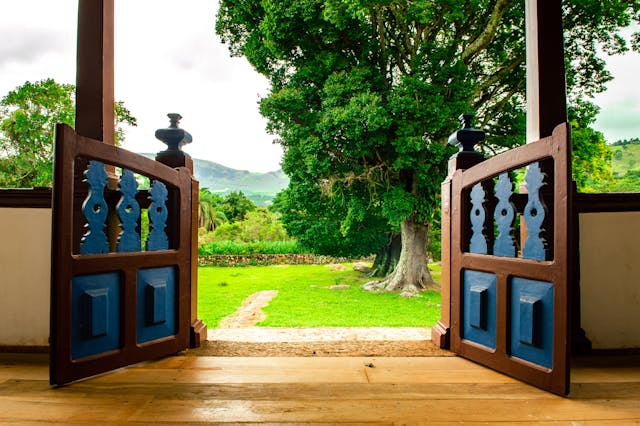
Natural light is a cornerstone of modern Australian home design, and façades are reflecting that more than ever. Large picture windows, slimline frames, and corner glazing are becoming common, creating an almost transparent connection between indoors and outdoors.
Architects are using glazing to highlight internal features while giving façades a modern, polished feel. In 2025, low-E and thermally efficient glass are expected to become standard to support sustainability goals.
Sustainability First: Eco-Smart Façade Solutions
Sustainability is no longer a “nice to have”—it’s a design essential. Homeowners are incorporating façade elements that reduce energy consumption and support Australia’s growing environmental focus. Popular sustainable features include:
- Passive shading structures
- Recycled materials
- High-performance insulation
- Solar-integrated façade elements
- Low-VOC coatings
Green façades, including vertical gardens and living walls, will also continue trending as homeowners embrace biophilic design principles.
Technology-Driven Façade Enhancements
Smart home integration now includes the exterior. Automated lighting, motion sensors, remote security systems and, increasingly, automated driveway features are shaping the modern façade. Products such as modern automated gates and smart garage doors seamlessly combine function with architectural appeal. These additions improve safety and convenience while contributing to a clean, cohesive exterior aesthetic.
Curved Forms Making a Comeback
After years dominated by straight lines, curves are re-emerging in Australian residential design. Expect arched windows, rounded balconies, curved entryways, and softened rooflines. These features add elegance and visual interest, helping façades feel more inviting and contemporary.
When combined with textured materials, curved forms deliver a statement look that stands out without compromising harmony.
The Rise of Mixed-Material Façades
Layered, multi-material façades are one of the biggest trends continuing into 2025. Homeowners and architects are blending timber, concrete, metal, glass, and textured render to create depth and character. The contrast between smooth and rough surfaces gives façades a tactile, architectural richness.
The key is thoughtful balance—each material should complement the others while highlighting its own strengths.
Grand Entrances with Minimalist Detailing
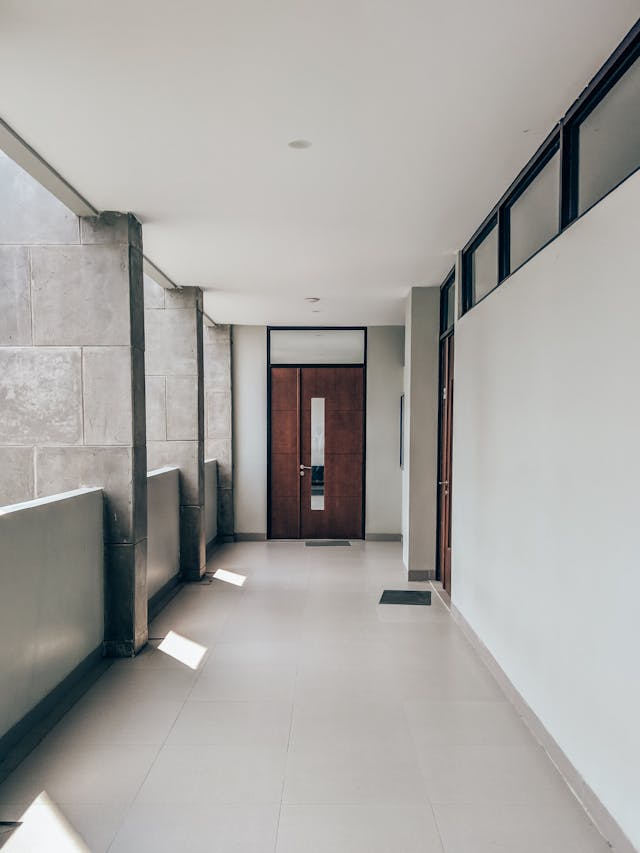
Entryways are becoming a major design moment. Expect large pivot doors, concealed handles, recessed lighting, and minimalist landscaping that draws the eye toward the front entrance. The focus is on creating a welcoming, impressive experience that still feels distinctly modern.
Naturally, technology and design solutions like smart locks, sculptural lighting, and well-integrated gate systems also elevate the experience.
The 2025 Australian façade trends reflect a broader design movement: homes that feel grounded in nature, enriched by technology, and expressive in form
From warm, earthy materials to bold architectural lines and innovative smart features, today’s façades do more than create street appeal—they tell a story about how Australians want to live.Whether you’re planning a full redesign or simply refreshing exterior elements, embracing these trends can help you create a home façade that feels modern, sustainable, and unmistakably Australian.






Leave a comment