

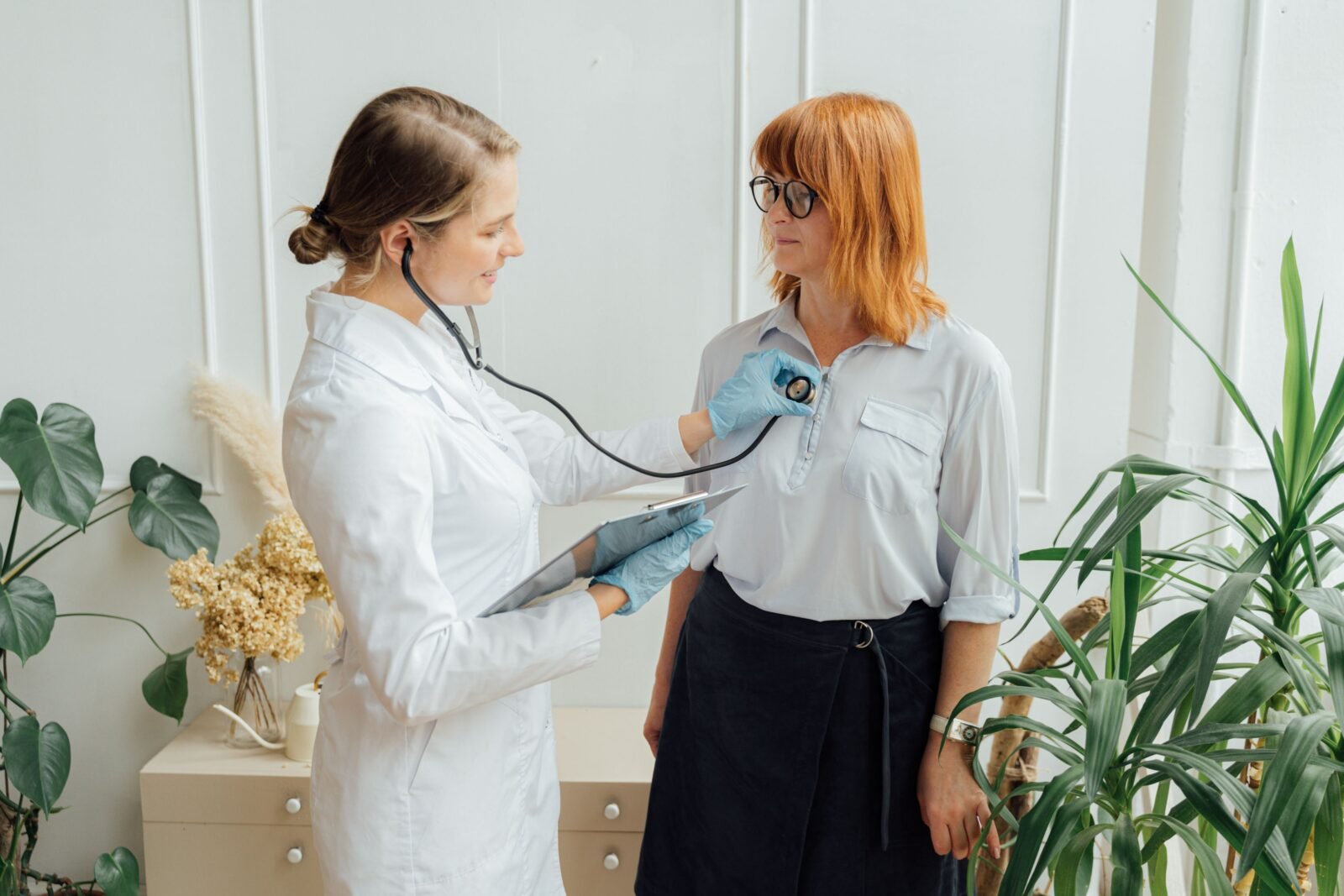
Women’s health involves many aspects of physical, reproductive, and hormonal wellbeing that can change throughout different stages of life. While some symptoms may seem minor or temporary, others can indicate underlying conditions that require medical assessment. Understanding common women’s health concerns can help individuals recognise changes in their bodies and seek appropriate support when needed. Regular healthcare appointments and open discussions with medical professionals also play an important role in identifying potential issues and maintaining long-term wellbeing.
Menstrual Irregularities and Unusual Period Symptoms
Menstrual changes are among the most common health concerns experienced by women. Irregular periods, unusually heavy bleeding, missed cycles, and painful menstruation can sometimes occur due to temporary hormonal fluctuations. However, persistent changes may be associated with conditions such as polycystic ovary syndrome (PCOS), thyroid disorders, uterine fibroids, or endometriosis. Women who regularly experience significant discomfort or unexpected changes in their menstrual patterns should consider discussing these symptoms with a healthcare professional. Dr Guy Skinner’s website, drguyskinner.com.au, provides information about specialist women’s healthcare.
Heavy bleeding, severe cramps, and periods that interfere with everyday activities should not be dismissed as normal experiences. A medical assessment can help identify possible causes and determine whether further investigations or treatment are required. Depending on the symptoms, a doctor may recommend blood tests, an ultrasound, or other diagnostic procedures. Treatment options can vary according to the underlying condition and individual health requirements. Some women may benefit from medication, hormonal treatments, or other approaches recommended by their specialist. Keeping a record of menstrual patterns, including bleeding duration and pain levels, can also help provide useful information during consultations. Seeking professional guidance can help women manage menstrual difficulties more effectively and reduce the impact these symptoms have on their daily routines.

Pelvic Pain and Reproductive Health Conditions
Persistent pelvic pain is another concern that deserves appropriate medical attention. Discomfort in the lower abdomen or pelvic region may occur for several reasons, including menstrual conditions, ovarian cysts, pelvic infections, or other reproductive health problems. Some women experience occasional discomfort, while others may notice recurring pain that affects their ability to work, exercise, or participate in everyday activities. Identifying the location, intensity, and frequency of the pain can help a healthcare professional understand the possible cause.
Conditions such as endometriosis and uterine fibroids may contribute to ongoing pelvic discomfort and other symptoms, including painful periods, pressure, and unusual bleeding. In some cases, pelvic pain may also be linked to urinary or digestive conditions rather than the reproductive system. A gynaecological assessment can help determine whether further examinations or imaging tests are necessary. Depending on the findings, treatment may involve medication, monitoring, or referral to another specialist for additional care. Women should also explain whether the discomfort occurs during menstruation, physical activity, or sexual intercourse, as these details may help guide the assessment. Sudden or severe pelvic pain, particularly when accompanied by fever, fainting, heavy bleeding, or possible pregnancy, requires urgent medical assessment. Early investigation can support timely treatment and help prevent certain conditions from becoming more complicated.
Hormonal Changes and Their Effects on Wellbeing
Hormones influence many important bodily functions, including menstrual cycles, metabolism, mood, sleep, and reproductive health. Changes in hormone levels can occur during puberty, pregnancy, after childbirth, and throughout perimenopause and menopause. Some women may experience symptoms such as irregular periods, hot flushes, night sweats, mood changes, fatigue, or difficulty sleeping. Although certain changes are expected during different life stages, persistent or disruptive symptoms deserve professional attention.
Hormonal imbalances can also be associated with conditions such as PCOS and thyroid disorders. These conditions may affect menstrual regularity, skin health, energy levels, and fertility. A healthcare professional can review symptoms, medical history, and relevant test results to determine whether hormonal investigations are appropriate. Depending on the findings, management may involve medication, lifestyle recommendations, or specialist support. Maintaining healthy daily habits, including balanced nutrition, regular physical activity, and sufficient sleep, may also contribute to general wellbeing. However, lifestyle adjustments should not replace medical assessment when symptoms are ongoing or affecting everyday life. Understanding how hormonal changes affect the body can help women make informed decisions about their health and find suitable ways to manage uncomfortable symptoms.
Vaginal Health, Infections and Unusual Discharge
Vaginal health is an important part of overall reproductive wellbeing, yet symptoms such as itching, irritation, unusual discharge, and unpleasant odours are sometimes overlooked. These changes can occur for several reasons, including bacterial vaginosis, yeast infections, sexually transmitted infections, or irritation caused by certain personal care products. Although some symptoms may appear similar, the underlying causes can be different, making professional assessment important before choosing a treatment.
Recurring infections or persistent vaginal discomfort should be discussed with a qualified healthcare provider. A doctor may recommend an examination or laboratory testing to identify the cause and determine the most appropriate treatment. Avoiding self-diagnosis is particularly important because using unsuitable products or medications may delay effective care. Maintaining good intimate hygiene, choosing gentle products, and following medical recommendations can help support vaginal health. Women should also be mindful of changes in discharge, particularly when accompanied by pelvic pain, unusual bleeding, or discomfort during urination. Completing prescribed treatments and attending follow-up appointments when recommended can help ensure that infections are properly managed. Women should seek advice about symptoms such as bleeding after intercourse, persistent irritation, or unusual discharge rather than assuming these changes will resolve without attention.
Breast Health, Cervical Screening and Preventive Care
Breast and cervical health are essential areas of preventive women’s healthcare. Changes such as a new breast lump, unusual nipple discharge, skin dimpling, or persistent breast discomfort should be assessed by a medical professional. Although many breast changes are associated with non-cancerous conditions, identifying the cause is important for determining whether further investigations are needed. Women should become familiar with their usual breast appearance and seek advice when they notice something unusual or persistent.
Cervical screening also plays an important role in identifying changes that may develop before cervical cancer occurs. Screening recommendations depend on factors such as age, medical history, previous results, and local healthcare guidelines. A healthcare professional can explain when screening is appropriate and whether additional investigations are necessary. Regular preventive appointments also provide an opportunity to discuss contraception, fertility, menopause, and other reproductive health concerns. Depending on individual circumstances, a doctor may recommend additional assessments, vaccinations, or follow-up procedures to support long-term reproductive wellbeing. Women should also discuss any family history of breast or cervical cancer, as this information may influence their screening recommendations. By prioritising routine check-ups and seeking professional advice when symptoms arise, women can take a more informed approach to protecting their health at every stage of life.








Leave a comment