

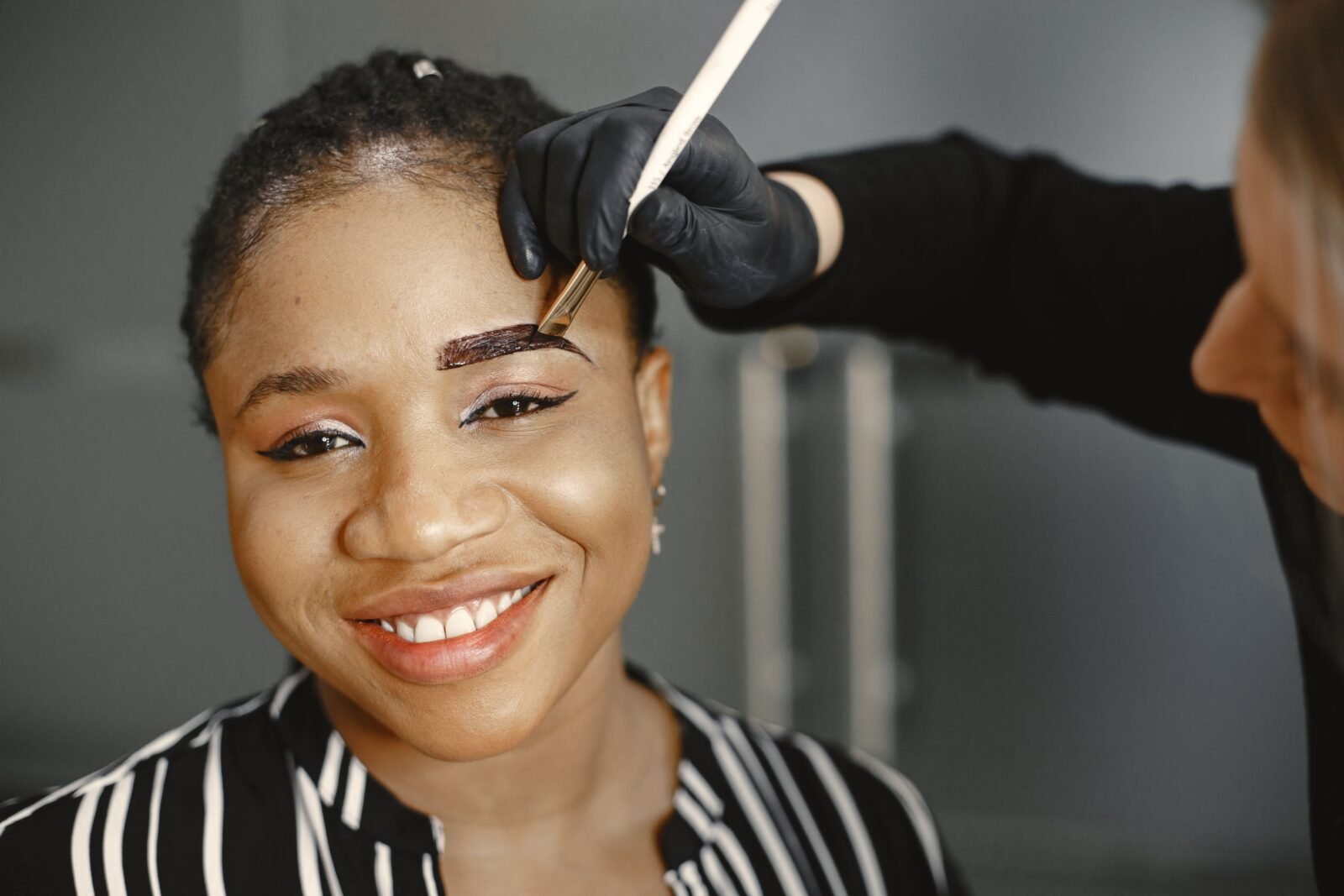
Preparing for professional eyebrow tattoo removal begins with understanding the condition of your existing tattoo and the results you want to achieve. Factors such as pigment color, tattoo depth, age, previous touch-up sessions, and skin condition can influence the removal process. Older eyebrow tattoos may fade naturally over time or develop unwanted shades of red, grey, blue, or orange as the pigment changes beneath the skin. Sharing details about the original procedure, including the approximate date, pigment type, and any previous removal treatments, can help the specialist assess your eyebrows more accurately. Having a clear idea of whether you want complete removal or partial fading can also help establish realistic treatment expectations.
It is equally important to understand that cosmetic eyebrow pigments may contain different ingredients and can respond unpredictably to laser treatment. Some pigments may become darker or change color when exposed to laser energy, potentially requiring an alternative removal approach. A professional assessment helps identify these possibilities before treatment begins and allows the specialist to recommend a suitable procedure based on the existing pigment and individual skin characteristics.
Following Pre-Treatment Skin Care Instructions
Preparing your skin properly before an eyebrow tattoo removal melbourne session can help reduce unnecessary irritation and support a smoother treatment experience. Avoid excessive sun exposure, tanning beds, and artificial tanning products before your appointment, as recently tanned or sunburned skin may increase the risk of unwanted reactions. The treatment area should be healthy and free from active infections, open wounds, significant irritation, or severe inflammation. If you experience any skin concerns around the eyebrows before your scheduled session, inform the specialist so they can determine whether the treatment should be postponed.
It is also important to follow the clinic’s instructions regarding skincare products and cosmetic treatments. Depending on your skin condition and the removal method, the practitioner may recommend temporarily avoiding exfoliating products, retinoids, strong acids, or other potentially irritating ingredients around the treatment area. Avoid waxing, threading, or undergoing additional cosmetic eyebrow procedures immediately before the session unless your specialist advises otherwise. Keeping the surrounding skin clean and maintaining a gentle skincare routine can help ensure that the area is in suitable condition for treatment.
Individuals with sensitive skin or a history of pigmentation problems should discuss these concerns before the procedure. The specialist may recommend additional preparation or a test spot to assess how the skin responds to the selected technology. It is also important not to apply unapproved bleaching creams, chemical treatments, or home remedies to the eyebrow area in an attempt to accelerate pigment fading. Professional guidance helps prevent unnecessary irritation and supports a more appropriate treatment plan.
Preparing for the Treatment Appointment
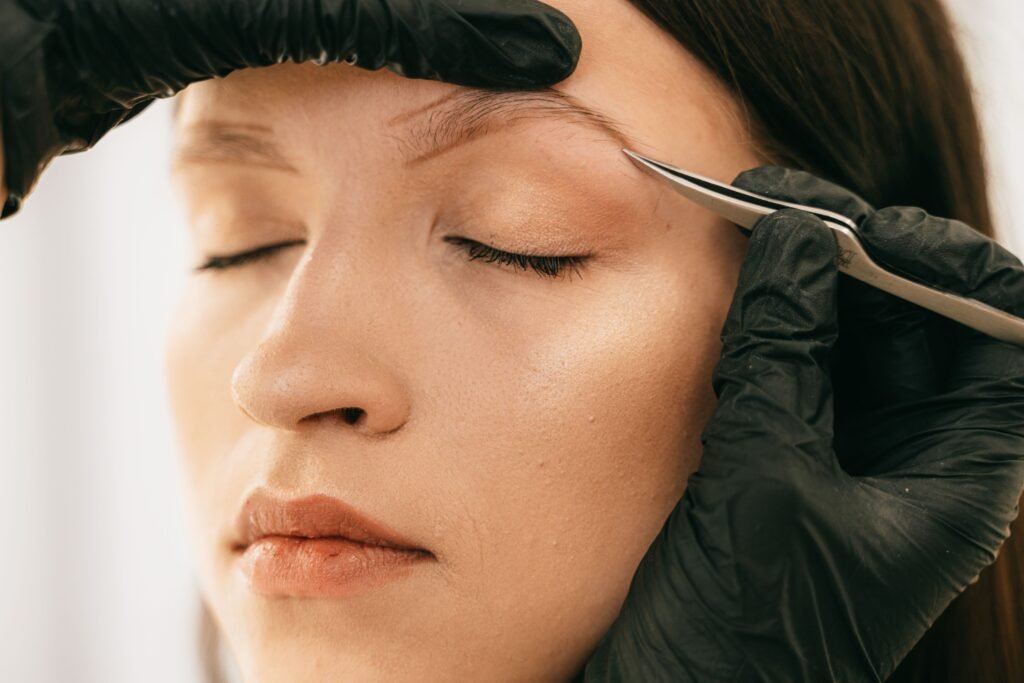
Before attending your appointment, make sure you have followed all the preparation instructions provided by the clinic. Arrive with clean skin and avoid applying eyebrow makeup, foundation, concealer, creams, or other cosmetic products around the treatment area unless specifically permitted by your practitioner. Wearing comfortable clothing and allowing enough time for the consultation and procedure can also make the appointment more convenient. Bring details of any previous eyebrow tattooing, permanent makeup procedures, or laser treatments, as this information can help the specialist understand how your skin and pigment may respond.
You should also inform the practitioner about all medications and supplements you currently use, particularly those that may affect skin sensitivity, healing, or bleeding. Do not stop prescribed medication without consulting the healthcare professional responsible for your care. If you have a history of cold sores, unusual scarring, skin allergies, or previous reactions to cosmetic treatments, discuss these concerns beforehand. Asking about the expected procedure duration, protective equipment, and immediate aftercare requirements can help you prepare practically and mentally for the appointment.
It is advisable to confirm the appointment details and understand whether the clinic requires any additional preparation based on your skin condition. If you develop a rash, infection, sunburn, or unusual irritation around your eyebrows before the scheduled session, contact the clinic rather than proceeding without an assessment. Being open about changes in your skin condition allows the practitioner to make an appropriate decision about treatment timing.
Understanding Laser Safety and Eye Protection
Eye protection is especially important during eyebrow tattoo removal because the treatment area is located close to the eyes. Laser energy can cause serious eye injuries if appropriate protective measures are not used. Before the procedure begins, confirm that the clinic has suitable protective equipment designed for the specific laser wavelength and treatment area. Depending on the procedure, specialized ocular protection or professionally placed internal eye shields may be necessary. These measures should only be selected and handled by appropriately trained professionals.
A qualified practitioner should explain the safety precautions before starting the treatment and ensure that all required protective measures are in place. The laser equipment should be properly maintained, and the procedure should be performed according to established safety protocols. Do not proceed with treatment if the clinic cannot explain its eye protection procedures or provide appropriate safeguards. Choosing an experienced professional with specific knowledge of cosmetic eyebrow pigment removal is particularly important for minimizing avoidable risks.
The clinic should also maintain appropriate hygiene standards and use equipment that is suitable for the specific treatment being performed. The practitioner should explain how the laser will be directed toward the pigment while protecting the surrounding skin and eyes. Clear communication and properly implemented safety procedures are essential throughout the appointment.
Knowing What to Expect During and After Treatment
Understanding the treatment process can help reduce uncertainty and make your appointment more comfortable. During laser eyebrow tattoo removal, the specialist uses controlled laser energy to target pigment particles beneath the skin. The sensation may feel like brief snapping or stinging, although the level of discomfort varies depending on individual sensitivity, pigment density, and the equipment being used. Some clinics may use appropriate cooling measures or other comfort techniques to make the procedure more manageable. The treatment duration also depends on the size, density, and condition of the eyebrow tattoo.
After the session, temporary redness, swelling, tenderness, and mild skin sensitivity may occur. Some individuals may also experience small blisters or scabs as the treated area heals. Following the specialist’s aftercare instructions is essential, including keeping the area clean, avoiding picking or scratching the skin, and protecting it from direct sunlight. Avoid applying irritating skincare products or makeup to the treated area until the practitioner confirms that it is appropriate. Your specialist should also explain which reactions are expected and which symptoms require prompt medical attention.
Recovery can vary depending on the laser technology, pigment characteristics, and individual skin response. Some people experience mild temporary irritation, while others may require additional attention during the healing period. Following professional instructions rather than experimenting with home treatments is important for reducing unnecessary complications. If severe pain, increasing swelling, spreading redness, discharge, or changes in vision occur, seek prompt medical assessment.








Leave a comment