

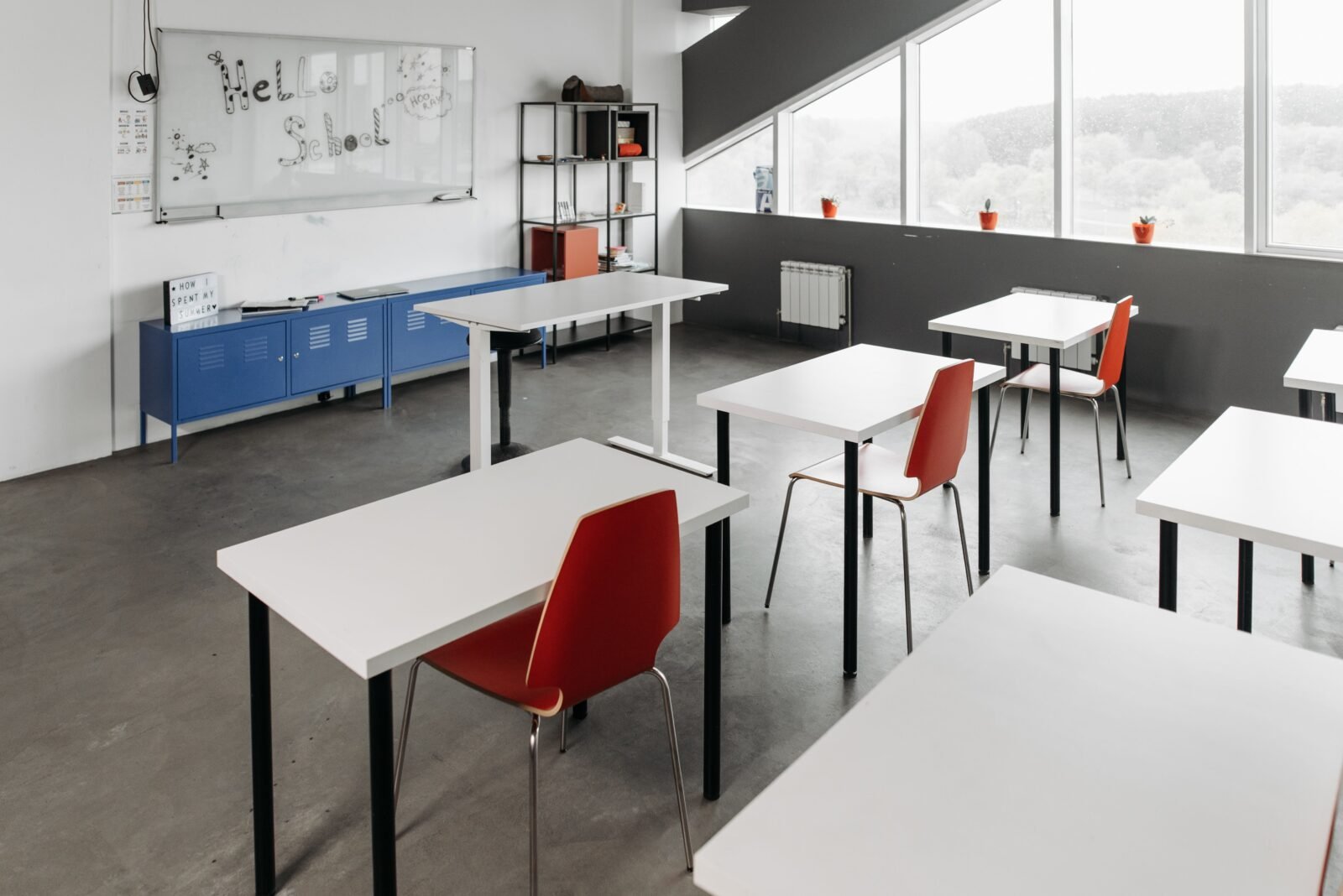
Creating an effective learning environment involves more than selecting attractive classroom designs and educational resources. The furniture used in schools, colleges and other educational facilities plays an important role in student comfort, organisation and everyday learning experiences. Choosing reliable education furniture suppliers helps ensure that classrooms are equipped with practical, durable and comfortable furniture suited to different age groups and learning activities. From classroom desks and chairs to library shelving and collaborative workstations, the right furniture can make educational spaces more functional and welcoming. Understanding what to look for in a supplier can help schools make informed decisions that support their long-term requirements.
Understand the Furniture Requirements of Your Educational Facility
Before choosing education furniture suppliers, it is important to identify the specific needs of your learning environment. Different educational facilities require different furniture solutions depending on the age of students, available space and teaching activities. Primary school classrooms may need appropriately sized desks, comfortable chairs and accessible storage, while secondary schools and universities may require larger workstations, specialised learning furniture and flexible seating arrangements. Understanding these requirements makes it easier to identify suppliers that offer suitable products for your facility. Schools should also consider the number of students using each classroom and the activities taking place throughout the school day. This information can help determine suitable furniture sizes, quantities and configurations while avoiding unnecessary purchases.
Schools should also consider how furniture will be used throughout the day. Classrooms that support group discussions, individual study and practical activities may benefit from flexible furniture that can be rearranged when necessary. Libraries require organised shelving, reading tables and comfortable seating, while outdoor learning areas need furniture designed to withstand changing weather conditions. By identifying these requirements early, educational institutions can work with suppliers who understand their needs and provide practical solutions for different learning spaces. It is also useful to consider accessibility, movement between desks and available storage when planning classroom layouts. A carefully organised space can make it easier for students and teachers to move around, access learning materials and participate in different activities without unnecessary disruption.
Prioritise Quality, Durability and Student Comfort
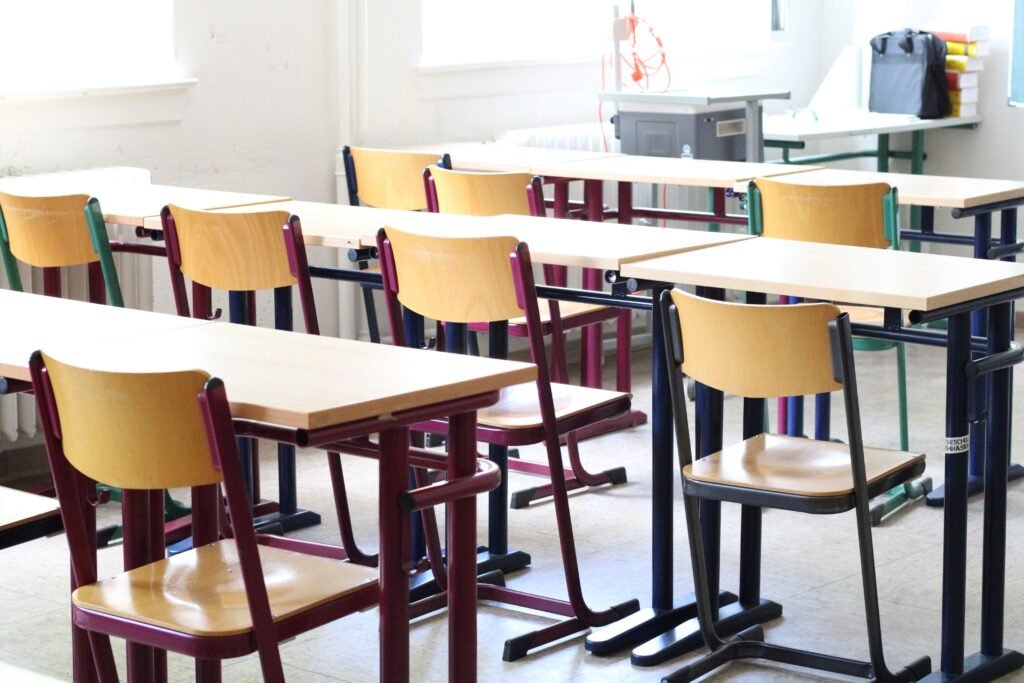
Educational furniture is used regularly by students and teachers, making quality and durability important considerations. Desks, chairs, tables and storage units should be manufactured using reliable materials that can withstand frequent movement and everyday classroom activities. Choosing well-constructed furniture can help reduce maintenance requirements and minimise the need for frequent replacements. Reliable education furniture suppliers should provide information about product materials, construction methods and available warranties so schools can make confident purchasing decisions. It is also worth examining details such as sturdy frames, secure joints, stable bases and surfaces that are easy to clean. These features can contribute to furniture that remains practical and presentable despite regular use in busy educational environments.
Comfort is equally important when selecting educational furniture. Students spend considerable time sitting, reading, writing and participating in classroom activities, so furniture should support appropriate posture and comfortable movement. Age-appropriate seating heights, suitable desk dimensions and practical designs can help create a more supportive learning environment. Suppliers offering ergonomic furniture options can help educational facilities select products that accommodate different student needs while maintaining functionality and comfort. Furniture should also provide enough space for students to complete their work without feeling restricted. When seating and workstations are appropriately designed, students can concentrate more comfortably on classroom activities and participate in lessons with greater ease. Schools should consider these factors when comparing different furniture ranges and selecting products for specific age groups.
Explore a Wide Range of Educational Furniture Solutions
A reliable supplier should offer a suitable selection of furniture for different areas within an educational facility. Rather than focusing only on classroom desks and chairs, schools may need library bookcases, storage cabinets, collaborative workstations, teacher desks, outdoor seating and specialised furniture for shared learning areas. Having access to a comprehensive product range makes it easier to maintain consistency throughout the facility while addressing the different requirements of each space. It also allows schools to source multiple furniture solutions through one supplier. A broad selection can be particularly useful when planning new educational facilities or upgrading several classrooms at the same time. Schools can compare different styles, materials and configurations to find furniture that complements their interior design while meeting practical requirements.
Flexibility and customisation can also make a significant difference when planning modern learning environments. Some educational facilities have limited floor space, unusual room layouts or specific requirements for particular teaching activities. Suppliers offering modular furniture, adjustable products and customised storage solutions can help schools make better use of their available space. Exploring different designs and configurations also allows institutions to create classrooms, libraries and collaborative areas that support a wider range of educational activities. For example, movable tables and adaptable seating can help transform traditional classrooms into group learning or discussion areas when needed. Custom storage units can also help organise books, teaching materials and classroom equipment more effectively. Selecting versatile furniture gives educational facilities greater flexibility as teaching methods and student requirements evolve.
Evaluate Supplier Experience and Customer Support
The experience of an education furniture supplier can provide valuable insight into the quality of products and services available. Suppliers familiar with schools, universities and childcare facilities are more likely to understand the practical challenges associated with educational environments. They may also offer guidance on furniture selection, space planning, product suitability and installation requirements. Reviewing previous projects, product information and customer feedback can help schools assess whether a supplier has the knowledge and experience needed to support their requirements. It is helpful to explore whether the supplier has worked with facilities similar in size and purpose to your own. This can provide a clearer understanding of its ability to manage different project requirements and recommend appropriate furniture solutions. Schools can also ask about product availability and delivery arrangements before committing to a large order.
Customer service should also be considered throughout the purchasing process. Educational furniture projects may involve multiple product categories, delivery arrangements and installation schedules, so clear communication is essential. A dependable supplier should provide accurate product details, transparent pricing and helpful assistance when customers have questions. Additional services such as furniture planning, design consultations and three-dimensional layout presentations can make it easier for schools to visualise how different products will work within their available spaces. Good communication helps ensure that purchasing decisions remain organised and aligned with project expectations. After-sales assistance is another valuable consideration, particularly when schools need help with product maintenance, replacement parts or warranty enquiries. Working with a supplier that offers ongoing support can make furniture management more convenient and help resolve potential issues efficiently.
Consider Long-Term Value and Practical Investment
When comparing education furniture suppliers, schools should look beyond the initial purchase price and consider the overall value of their investment. Lower-priced furniture may appear attractive, but products that lack durability or appropriate construction can require more frequent repairs and replacements. Investing in quality furniture can provide better long-term value by supporting regular use and reducing unnecessary maintenance costs. Schools should compare product specifications, material quality, warranties and expected maintenance requirements before making a final decision. It is also important to consider how easily furniture can be cleaned and maintained, especially in classrooms and shared spaces that experience heavy daily use. Choosing practical finishes and durable materials can help preserve the appearance of furniture while reducing ongoing maintenance demands. A balanced purchasing decision should take both immediate affordability and long-term performance into account.
Planning furniture purchases around future requirements is another important consideration. Educational facilities may expand, introduce new teaching methods or reorganise existing classrooms as student needs change. Choosing adaptable furniture that can be moved, reconfigured or incorporated into different spaces can make future upgrades more manageable. Reliable suppliers can help institutions identify practical products that balance affordability, functionality and durability. By focusing on long-term performance rather than immediate costs alone, schools can create modern learning environments that remain useful and comfortable for years to come. Institutions should also consider whether additional furniture can be sourced from the same range when new classrooms or learning areas are introduced. Maintaining consistency in furniture design and quality can create a more organised appearance across the facility. Careful planning and the right supplier relationship can therefore support both present educational requirements and future development.






Leave a comment