

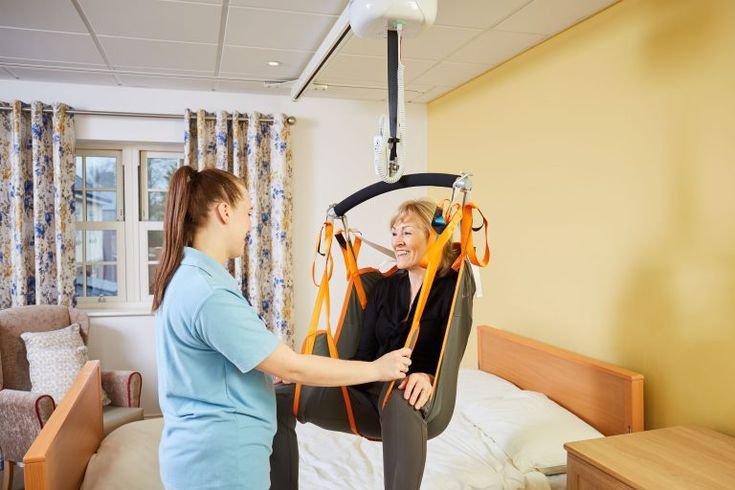
Ceiling hoists provide a safe and practical solution for transferring individuals with limited mobility while reducing physical strain on caregivers. They are commonly used in hospitals, aged care facilities, rehabilitation centres, and home care environments to support comfortable and controlled patient movement. These systems use ceiling-mounted tracks and powered lifting mechanisms to help move individuals between beds, wheelchairs, and other suitable locations. By reducing the need for manual lifting, ceiling hoists can improve transfer safety, support patient comfort, and make everyday care routines easier to manage.
Improving Patient Safety During Transfers
Patient safety is a major priority in healthcare and disability support environments, particularly when individuals require assistance moving between beds, wheelchairs, shower chairs, and other seating areas. A ceiling hoist provides a controlled lifting solution that helps reduce the risks associated with manual handling and unsupported movement. By using a motorised lifting mechanism attached to a ceiling-mounted track, caregivers can move individuals smoothly while maintaining better control throughout the transfer process. This can help minimise the likelihood of falls, sudden movements, and injuries caused by lifting or repositioning a person without suitable equipment. When properly selected and operated, ceiling hoists can contribute to a safer care environment for both patients and healthcare professionals.
Another important advantage of ceiling hoists is their ability to accommodate different mobility levels and individual support requirements. Some individuals may need full assistance because they cannot stand independently, while others may require help maintaining balance or moving between specific locations. A suitable hoist system, combined with the correct sling, can help meet these varying needs while supporting appropriate body positioning. Caregivers can assess the patient’s comfort, ensure the sling is fitted correctly, and operate the equipment according to established safety procedures.
Reducing Physical Strain on Caregivers
Caregivers frequently assist individuals with repositioning, lifting, and transferring throughout the day, which can place considerable stress on the back, shoulders, arms, and other muscle groups. Repeated manual handling may contribute to fatigue, muscle injuries, and long-term musculoskeletal problems, particularly when staff work in busy environments with limited assistance. Ceiling hoists help address these challenges by supporting the patient’s weight through a powered lifting system rather than relying on the caregiver’s physical strength. This allows staff to guide the transfer and monitor the patient’s position without carrying the entire physical load. Reducing the need for strenuous lifting can help create safer working conditions and support the long-term wellbeing of healthcare professionals.
Reducing physical strain can also help caregivers maintain their energy and concentration throughout demanding shifts. When staff spend less effort performing difficult transfers, they can focus more attention on communication, patient reassurance, and other essential responsibilities. Ceiling hoists can make routine movements more manageable, particularly for individuals who require frequent assistance throughout the day or night. Depending on the system design, caregivers may be able to complete transfers with fewer equipment adjustments and less physical effort. However, the equipment should not replace proper training, safe working procedures, or individual assessment. A comprehensive patient handling plan that combines suitable equipment, clear communication, and appropriate staffing can help reduce workplace risks and improve the quality of care.
Supporting Comfort and Dignity During Patient Transfers
Maintaining comfort and dignity is an important part of providing respectful care to people who depend on assistance for everyday activities. Transfers can sometimes cause anxiety, especially when individuals feel uncertain about being lifted or are uncomfortable with manual repositioning. Ceiling hoists provide a controlled method of movement, helping caregivers support the person’s body throughout the transfer. When the equipment and sling are suitable for the individual’s needs, the process may involve fewer awkward movements and less unnecessary physical pressure. This can help individuals feel more secure while allowing caregivers to complete essential tasks with greater confidence. Explaining each step before lifting begins can further reduce uncertainty and encourage cooperation during the transfer.
The choice of sling is particularly important because different individuals require different levels of support depending on their mobility, posture, physical condition, and personal care needs. Some slings provide broader body support, while others may be suitable for specific transfer activities when recommended by a qualified professional. Using the correct sling size and ensuring it is positioned properly can help reduce discomfort and maintain appropriate alignment throughout the lifting process. Caregivers should communicate clearly with the individual, explain what will happen next, and check for signs of discomfort during movement. Respecting privacy and involving the person in decisions wherever possible can make transfers feel less stressful and more dignified.
Maximising Space and Improving Care Efficiency
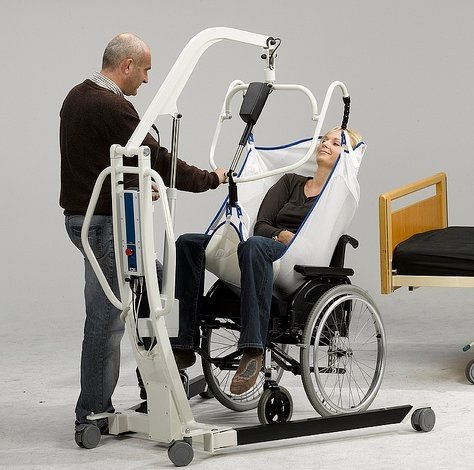
Ceiling hoists offer practical advantages in care environments where available floor space is limited. Traditional mobile hoists often require room for the lifting frame, wheels, and manoeuvring space, which can make movement difficult in smaller bedrooms, bathrooms, and clinical areas. Ceiling-mounted systems help reduce the need for bulky lifting equipment on the floor, leaving more room for wheelchairs, walking aids, bedside furniture, and other essential care items. Clearer pathways can improve accessibility and make it easier for caregivers to move around the patient during daily activities. This arrangement can be especially useful in aged care facilities, hospitals, and residential settings where rooms must accommodate multiple care requirements.
A well-designed ceiling hoist system can also streamline daily routines by allowing transfers between designated locations along an installed track. Depending on the configuration, a person may be moved from a bed to a wheelchair, shower chair, or another appropriate position without requiring staff to repeatedly reposition a mobile lifting device. This can reduce unnecessary setup time and make frequent transfers more manageable. In larger rooms, a suitable track layout may provide greater flexibility, while compact installations can be designed around specific transfer points. However, the effectiveness of the system depends on careful planning, appropriate load capacity, structural suitability, and the intended movement pathways. Professional assessment before installation helps ensure that the equipment supports the room’s layout and the needs of its users.
Choosing the Right Ceiling Hoist for Long-Term Care Needs
Selecting the right ceiling hoist requires an understanding of the individual’s mobility, the type of transfers involved, and the environment in which the equipment will be used. Important considerations include the person’s weight, the hoist’s safe working load, the lifting range, sling compatibility, and the distance the system needs to cover. Some installations support transfers within a single room, while others allow movement between several designated areas through connected track systems. The choice should also account for whether the equipment will be used in a private home, a shared care facility, or a clinical environment with frequent patient transfers. Considering these requirements before purchasing a system can help prevent unsuitable installations and support better long-term usability.
Accessibility and future care needs should also be considered when planning a ceiling hoist installation. An individual’s mobility requirements may change because of ageing, recovery from an injury, or changes in their physical condition, making flexibility an important consideration. A qualified equipment provider or relevant healthcare professional can help assess the most appropriate configuration, lifting capacity, and sling options for the intended users. The ceiling structure and mounting points must be assessed by suitably qualified professionals to confirm that they can safely support the system. Caregivers should also receive practical instruction on operating the controls, positioning slings, checking equipment before use, and following the manufacturer’s safety guidance. Careful planning helps ensure the system is appropriate for the person receiving assistance and the environment where transfers take place.








Leave a comment