

Somewhere in your forties, the rules seem to change. Recovering from a workout takes longer. Muscles that once responded quickly to training feel stubborn. The waistline creeps outward despite eating roughly the same way you always have. It can be frustrating, but it is also completely normal.
The body does change with age, and one of the most important changes is a gradual loss of muscle mass. The good news is that strength training combined with smart nutrition can slow that decline and even reverse it. Protein is central to the equation, and while whole foods should form the foundation, some people find it convenient to buy protein powders online as a simple way to help meet their daily needs.
Why muscle matters as you age
Muscle is not just about appearance or athletic performance. It supports metabolism, balance, mobility, bone health and independence. Maintaining strength makes everyday activities easier, from carrying groceries to playing with children or grandchildren.
Muscle loss with age is sometimes called sarcopenia. It can begin in midlife and accelerate in later years, particularly with inactivity. Regular resistance training and adequate nutrition are among the most effective ways to counter it.
Prioritise protein
Protein provides the building blocks for muscle repair and growth. As we age, the body may become less efficient at using protein to build muscle, which means getting enough becomes even more important.
Rather than eating most of your protein at dinner, spread it across meals throughout the day. Including a good source of protein at breakfast, lunch and dinner supports muscle maintenance more effectively.
Good sources include lean meat, poultry, fish, eggs, dairy products, legumes, tofu, tempeh, nuts and seeds.
Where protein powders fit in
Protein powders can be a convenient option for people who struggle to meet their needs through food alone, have busy schedules or want a quick option after training.
They can be added to smoothies, yoghurt, porridge or baking. Whey, casein, soy, pea and blended plant proteins are common options.
Choose products from reputable brands and check labels for added sugars and unnecessary ingredients. Supplements should complement a balanced diet rather than replace whole foods.
Do not forget carbohydrates
Carbohydrates provide energy for training and daily life. Whole grains, fruit, vegetables and legumes offer energy along with fibre, vitamins and minerals.
Cutting carbohydrates too drastically can leave you feeling tired and may affect workout performance.
Healthy fats support overall health
Healthy fats, such as those found in olive oil, avocado, nuts, seeds and oily fish, support heart health and help the body absorb certain vitamins.
Omega-3 fatty acids found in fish may also support joint health and reduce inflammation.
Support bone health
Bone density gradually declines with age, particularly for women after menopause. Calcium and vitamin D are important for maintaining strong bones.
Dairy foods, calcium-fortified alternatives, leafy greens, canned fish with edible bones and safe sun exposure all contribute. Speak to a doctor about vitamin D testing if you are concerned.
Stay hydrated
Hydration affects energy, performance and recovery. Drink water regularly throughout the day, especially before, during and after exercise.
Eat enough overall
Some people in midlife restrict calories heavily to lose weight, but eating too little can make it harder to build muscle. If weight loss is a goal, aim for a moderate approach that still provides enough energy and protein to support training.
Combine nutrition with training
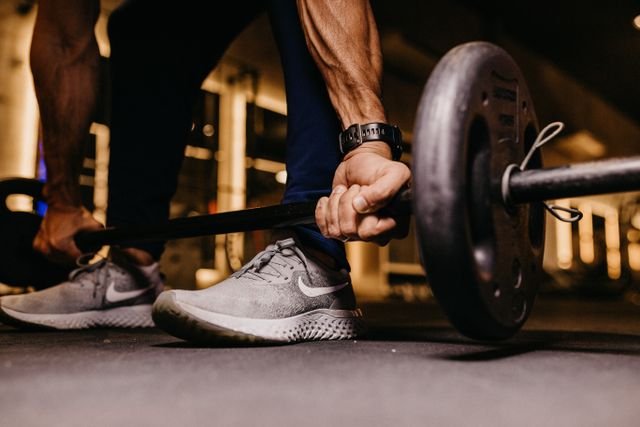
Nutrition works best alongside regular resistance training. Lifting weights, using resistance bands or doing bodyweight exercises two or three times a week helps stimulate muscle growth.
If you are new to strength training, consider working with a qualified trainer or exercise physiologist.
Get personalised advice
Nutritional needs vary depending on health, activity levels and medical conditions. Accredited practising dietitians can provide personalised guidance, particularly for people with chronic health conditions.
Recovery and sleep
Muscles do not grow during training. They grow during recovery. Getting enough quality sleep is one of the most overlooked factors in building strength, especially as we age and sleep patterns change. Aim for a consistent sleep routine, limit screens before bed and avoid large meals or alcohol late at night. Rest days between strength sessions give muscles time to repair. Including a protein-rich meal or snack after training, and spreading protein across the day, supports this recovery process and helps you get the most out of every workout.

Strength is ageless
Building strength after forty is entirely possible. With consistent training, enough protein and a balanced diet, many people find they feel stronger, fitter and more energetic than they did in their younger years.









Leave a comment