

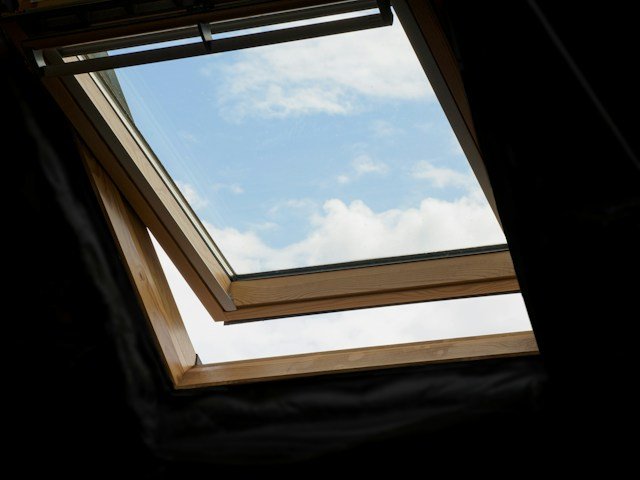
A simple opening in the roof will alter the perception of the space from morning till dusk. This can be delightful or tiring depending on Perth’s weather, which enjoys sunny days most of the time. Skylights in Perth will work well only if the owner takes into account the dual nature of the skylight, delivering abundant light and heat.
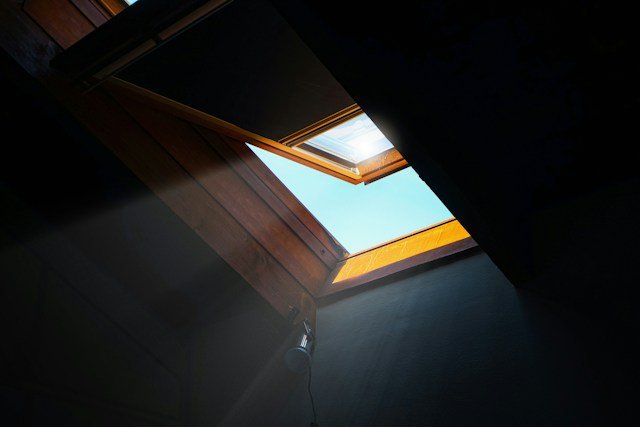
How Perth Transforms the Skylight Discussion?
The natural lighting coming in from the roof differs from natural light through the window. A roof opening will allow for around triple the daylighting of a window of the same size.
This comes both ways with skylights Perth homes install, in a region which is characterised by long and sunny summers. Roof glass receives direct sunlight at midday because of the orientation, and the heating effect is felt immediately if no proper shading is in place.
There is no universal compass direction applicable to all homes. There are many factors involved in the design process: climate, roof orientation, size of the skylight, materials, shading and the room below, among others. A good skylight design will take all of them into consideration instead of one.
Small Openings Generally Do Well
One of the common mistakes people make is opting for a skylight that is too large. Small openings can produce amazing results in brightening the space, and at the same time limit the heating effect.
In terms of guidance, skylights should cover about 3 to 5 per cent of the floor area. High-performing tubular skylights require even less coverage, 1 to 2 per cent.
Spacing is also important when it comes to larger spaces. Several small skylights will produce a softer lighting effect compared to one large opening.
Fitting a Skylight to the Space
Different rooms call for different designs, and Perth’s climate puts its own spin on those choices.
Common options are:
- Fixed skylights, which are sealed units that work well in living areas, stairwells and open-plan spaces. They’re a natural fit.
- Openable or vented skylights, which let go of trapped warm air and steam from kitchens and bathrooms, which can make a real difference.
- Tubular skylights are compact reflective tubes that are perfect for hallways, laundries and walk-in robes because they’re so compact.
- Roof windows, larger openable units often used in cathedral ceilings and attic rooms where you want a bit more light.
Tubular skylights deserve some special attention in Perth. They really come into their own in places with loads of clear days, which suits our city perfectly. Plus, their small opening means they don’t let heat escape or get in as much as a conventional skylight.
Openable units are especially useful in two-storey homes, where warm air tends to get stuck upstairs. Letting it go on a summer evening can make all the difference and keep upper rooms a lot more comfortable.
All About Glazing, Shading and Energy Ratings
Glass choice has a big impact on how a skylight behaves in hot weather. You can use low emissivity coatings, tinted glazing or diffusing panels to reduce heat and still let the light in.
Add in some blinds or integrated shades and you’ve got even more control during the hottest months. Diffusing glazing does an especially good job of spreading light around a room and cutting down glare.
Australia’s Window Energy Rating Scheme covers skylights too. It lists all the products in a database and gives each one a star rating based on its heat gain and insulation values. Comparing these numbers before you buy is way more reliable than just reading the brochure.
The National Construction Code has its own rules about skylights too; it limits how big they can be and sets some performance standards that a good installer will make sure you meet.
Roofs, Rain and Bushfire Zones
Perth roofs are usually tiled or metal sheeting. You need to get the flashing just right so that rain flows around the skylight, not into the ceiling.
We get some pretty intense bursts of rain in winter, after months of nothing. If there’s a small installation fault, it’ll usually show up on the first big storm, as a nasty stain on your ceiling.
If you live on the edges of the bush, there’s one more thing you need to think about. In areas that are at risk of bushfires, skylights have to meet the Australian Standard for building in those areas, and they need to be matched to how much risk your home is in.
And then there’s the chance of hail, which is pretty rare in Perth, but still happens sometimes. The type of product and material you choose can help prevent damage.
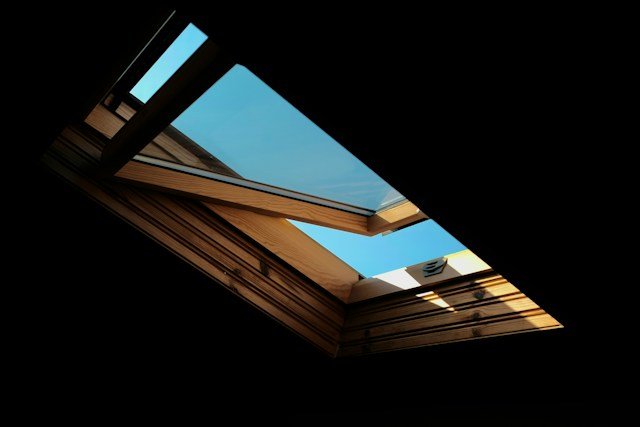
Keeping Your Skylight in Good Nick for Years to Come
Neglect your skylight and it’ll start to lose its shine. Leaves left to rot on top can stain the glass when it rains, and all sorts of other debris can damage the roof around it.
If you live near the coast or under a big tree, you might need to clean your skylight every six months or so. Elsewhere, a good scrub every couple of years will do the trick. And if you’ve got an openable unit, you might need to give the moving parts a bit of lubricating now and then too.
The reward for all this effort is a home that feels light, calm and connected to the outdoors. In Perth, the trick is not about letting in as much light as possible; it’s about finding just the right balance.






Leave a comment