

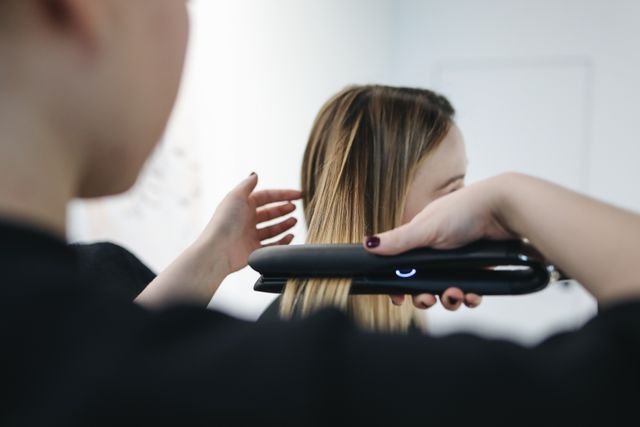
There’s a particular kind of frustration that comes from spending 40 minutes straightening your hair in the morning only for humidity to undo most of the work before lunch. For people with naturally wavy, curly or frizz-prone hair, the daily cycle of blow-drying, straightening and touching up can become seriously time-consuming.
That’s why longer-lasting options such as hair straightening in Melbourne CBD appeal to people who want a smoother result without reaching for heated styling tools every single day. Professional straightening treatments vary considerably, though, and getting a good result starts with understanding what you actually want your hair to look and feel like afterwards.
Straight Hair Isn’t Always the Real Goal
When someone says they want straighter hair, they don’t necessarily mean poker-straight hair with no movement at all. Often, what they really want is less frizz, easier blow-drying, a smoother texture or hair that behaves more predictably when the weather changes.
That distinction matters because different treatments can create very different outcomes. One person may want to dramatically reduce natural curl, while another simply wants their waves to sit more neatly and take less time to style. Before committing to anything, it helps to be specific about the daily problem you’re trying to solve.
Your Hair History Matters
Hair doesn’t arrive at an appointment as a blank canvas. Bleaching, colouring, highlights, previous chemical straightening and frequent heat styling can all change the condition and strength of the hair.
That’s why a proper consultation matters. A stylist needs to understand what has already been done before introducing another chemical process. It’s worth being completely upfront about previous treatments, even if they were performed months ago or at another salon. The condition of the hair is more important than how recently you changed your colour or styling routine.
Permanent and Semi-Permanent Results Are Different Commitments
Not all straightening treatments disappear gradually. Some chemical straightening methods permanently alter the treated section of the hair, which means those lengths remain changed while new growth comes through with your natural texture. Over time, this can create a noticeable difference between the roots and the rest of the hair.
Other smoothing treatments are designed to fade gradually over weeks or months. The transition can be softer, although the result may not be as dramatically straight. Neither approach is inherently better; it depends on how much change you want and how comfortable you are with future maintenance.
Less Daily Heat Can Be a Major Attraction
One reason people explore professional straightening is the amount of heat they’re already applying at home. Repeated flat-ironing at high temperatures can be tough on hair, especially when combined with bleaching or colouring.
If a professional treatment means you can reduce your dependence on daily heat styling, that may simplify your routine considerably. It doesn’t mean the hair becomes maintenance-free, but it can cut down the amount of work required to achieve a smoother finish.
For someone used to spending half an hour with a straightener every morning, being able to dry their hair and leave the house can feel like a major lifestyle improvement.
Humidity Changes Everything
Anyone with frizz-prone hair already knows that styling in a bathroom mirror and styling for the real world are two different things. Humidity allows hair to absorb moisture from the air, which can encourage natural texture and frizz to reappear.
This is why some people are less interested in achieving perfectly straight hair than they are in gaining predictability. If humidity is your biggest frustration, mention that during the consultation. It gives the stylist a clearer picture of what you’re actually hoping the treatment will fix.
Aftercare Can Affect the Result
Salon treatments don’t end when you walk out the door. The products you use at home and the way you treat your hair afterwards can influence how the result looks and how long it lasts.
Depending on the treatment, your stylist may recommend particular shampoos, conditioners or styling products. There may also be specific instructions immediately afterwards, such as waiting before shampooing or avoiding certain styling habits for a short period. These details vary, so it’s better to follow the advice provided for your actual treatment rather than relying on generic online guidance.
Expect Your Roots to Tell the Truth Eventually
No treatment can permanently change hair that hasn’t grown yet. As new growth appears, your natural texture returns at the roots.
How noticeable this becomes depends on the contrast between the treated hair and your natural pattern. Someone with slightly wavy hair may experience a gradual transition, while somebody with very curly hair can develop a much more obvious regrowth line. This is worth considering before treatment because it affects how often you may want touch-ups.
Healthy-Looking Hair Is More Important Than Maximum Straightness
There can be a temptation to chase the strongest possible result, but stronger isn’t always better. Chemical processes alter the structure of the hair, and pushing compromised hair too far can leave it dry, fragile or prone to breakage.
In some situations, the best advice may be to choose a gentler option, delay treatment or improve the condition of the hair first. Shiny, healthy-looking hair with some natural movement will usually look better than perfectly straight hair that feels brittle and damaged.
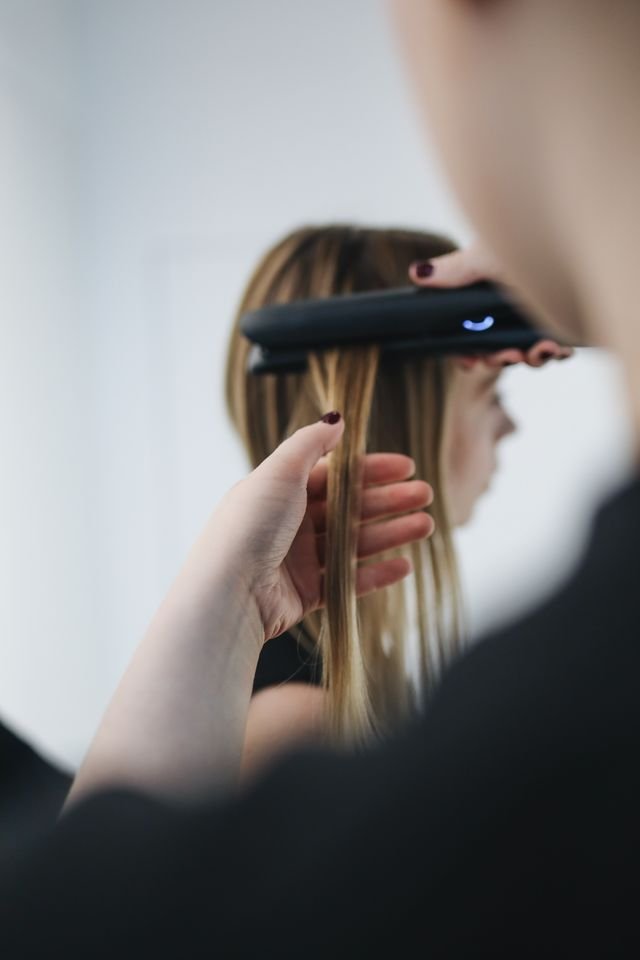
Think About the Routine You Want Afterwards
The most useful question isn’t necessarily “How straight will my hair be?” It’s “What will my mornings look like after this?”
Maybe you want to cut your styling time in half. Perhaps you want to stop worrying about humid weather before deciding whether to wear your hair down. You might simply want a smoother base that’s easier to style when you feel like changing things up.
The point is to choose a treatment around the life you actually lead. Talk openly about your natural texture, previous chemical treatments, styling habits and expectations before anything begins. A successful result shouldn’t only look impressive in the salon chair; it should make your hair easier to live with once you’re back home getting ready on an ordinary Tuesday morning.







Leave a comment