

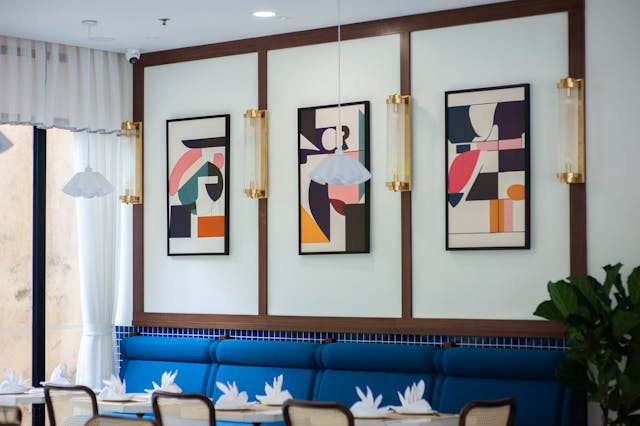
Some interiors are designed to be admired politely. Others have enough nerve to interrupt the room.
The most memorable homes rarely depend on perfect symmetry, showroom furniture, or cushions arranged with military seriousness. They have a point of view. They contain pieces that make guests slow down, tilt their head, and ask, “Where did you find that?” Art has a particular talent for doing this. It changes the emotional temperature of a room before anyone has even sat down.
That’s why statement pieces from places like SoHigh Gallery can do more than decorate a wall. The right artwork can act as a social cue, a mood-setter, and a small act of rebellion against the beige, algorithm-approved sameness that creeps into so many homes.
Art Gives a Room a Pulse
A room without art can still be beautiful, but it often feels unfinished. Furniture gives a space its function. Lighting gives it atmosphere. Art gives it personality.
A bold painting, sculptural piece, photographic print, or mixed-media work can make a living room feel lived in rather than simply styled. It tells guests there’s someone behind the choices. Someone with taste, humour, curiosity, nostalgia, or a healthy disregard for safe decisions.
The best art doesn’t need to match the rug. In fact, it’s often more interesting when it doesn’t. A piece that creates tension can bring a room to life. It might introduce a sharp colour into a muted palette, a surreal subject into a formal dining space, or a playful image into an otherwise restrained entryway.
That slight friction is what makes people pause.
The Pause Is the Point
When guests stop in front of an artwork, they’re not just looking. They’re recalibrating their impression of the space.
A striking piece near the entrance can work like an opening line. It says something before you’ve taken anyone’s coat or offered them a drink. In a lounge room, art can shift the conversation away from predictable small talk. Around a dining table, it can become part of the evening’s texture; something people return to between courses, jokes, and mildly competitive opinions about the wine.
This is where art becomes more than visual interest. It creates interaction. It gives people permission to respond, question, laugh, disagree, or tell a story of their own. That’s a rare and useful thing in a home.
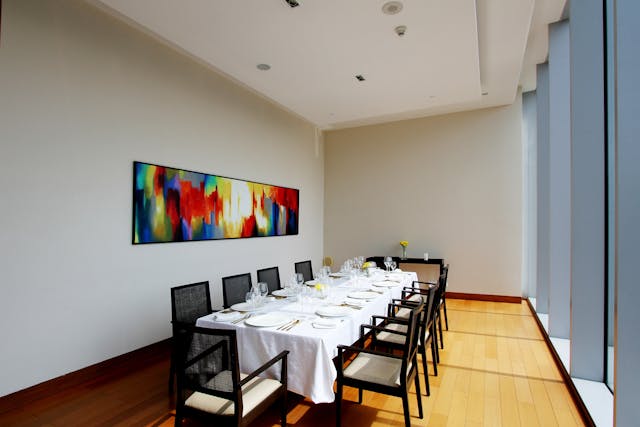
“Tasteful” Doesn’t Have to Mean Timid
There’s a difference between sophisticated and scared.
Many people choose art by trying not to offend the room. They look for something neutral, balanced, and unlikely to cause comment. That can work, especially in quiet spaces like bedrooms or reading corners. But in social areas, overly cautious art can disappear completely.
Art that makes guests pause usually has some confidence to it. It might be oversized. It might be strange. It might use colour with zero apology. It might be elegant but slightly unsettling, funny but still beautifully made, or simple from across the room and increasingly complex up close.
The goal isn’t to shock people for sport. It’s to choose work with enough presence to hold its own. If a piece reflects your taste, your memories, your travels, your humour, or your appetite for the unusual, it’ll feel far more natural than something selected only because it “goes with everything”.
Placement Matters More Than People Think
Even extraordinary art can fall flat if it’s treated like an afterthought. The pieces that stop guests in their tracks are usually placed with intent. An entry wall, the space above a sideboard, a hallway sightline, or the area opposite a sofa can all become natural focal points. These are places where people’s eyes already land, so the artwork doesn’t have to fight for attention.
Scale is crucial. A tiny piece on a large blank wall can look apologetic. A large work in a compact room, handled well, can feel brave rather than overwhelming. Height matters too. Art hung too high often feels disconnected from the furniture and the people in the room. It should generally relate to human eye level, not the ceiling.
Lighting also changes everything. A properly lit artwork gains depth, texture, and drama. Poor lighting can flatten even the most interesting piece into background noise.
Conversation Pieces Should Still Be Livable
There’s an art to choosing art that commands attention without exhausting the room.
A piece can be bold and still be livable. It doesn’t need to dominate every conversation or shout over every other element in the space. The strongest interiors usually balance intensity with restraint. If the artwork is visually loud, the surrounding furniture might be calmer. If the room is minimal, a more intricate or colourful piece can provide the necessary lift.
Think of statement art as the charismatic guest at the dinner party. Excellent in the right dose. Less excellent if it takes over the entire evening and starts explaining cryptocurrency.
Personal Beats Perfect
The most compelling art choices are often personal before they’re decorative. A work doesn’t have to be expensive, famous, or endorsed by someone wearing architect glasses to matter. It needs to connect. Maybe it reminds you of a place. Maybe it unsettles you in a productive way. Maybe it’s beautiful, ridiculous, tender, or impossible to categorise. Maybe it simply makes the room feel more like yours.
Guests can sense that. Personal choices have a different energy from generic styling. They suggest a home that has evolved rather than been assembled in one anxious weekend.
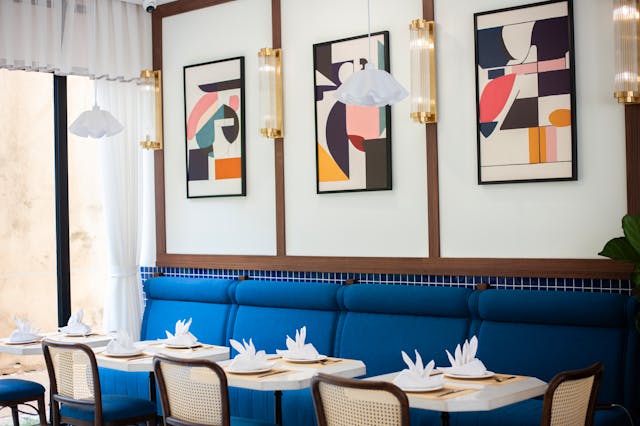
Let the Room Have Something to Say
Art that makes guests pause before they sit down isn’t about showing off. It’s about giving your home a voice. It turns blank walls into moments. It makes social spaces warmer, sharper, stranger, or more memorable. It helps a room reveal something about the people who live there, before the first drink is poured or the first chair is pulled out.
A home doesn’t need to be perfect to be compelling. Sometimes it just needs one piece with enough presence to stop someone mid-step and make them look twice.










Leave a comment