


In Australia’s business landscape today, signs play a crucial part in figuring out how customers see your brand, making your company more visible and helping people navigate through your premises. From inside retail shops to outside cafes and all the way across busy shopping malls, signs do the job of getting messages across quickly and easily. As tech keeps moving forward, businesses now have a couple of key options to think about: digital signs and old-school signs. Each one brings its own upsides and downsides, so it’s really important for business owners to have a good think about which one is the best match for their business goals, what their customers are expecting from them and what their budget can stretch to. When comparing these two options, a lot of the time it comes down to things like how much it’s going to cost, whether you need to be able to change the messages often and the kind of atmosphere you want to create. Digital signs give you the chance to change up your message and can be really efficient, but traditional signs work just fine when you need a simple and familiar look. Some places choose to work with a signage company Melbourne that’s known for doing a great job to help figure out which one works best for them, but ultimately it still comes down to understanding the ins and outs of each type of sign. By looking at the cost, how well they’ll be seen, how much work they’ll be to maintain and how much they’ll engage with your customers, businesses in Australia can work out which one is best for their brand.
Content Flexibility and Visibility
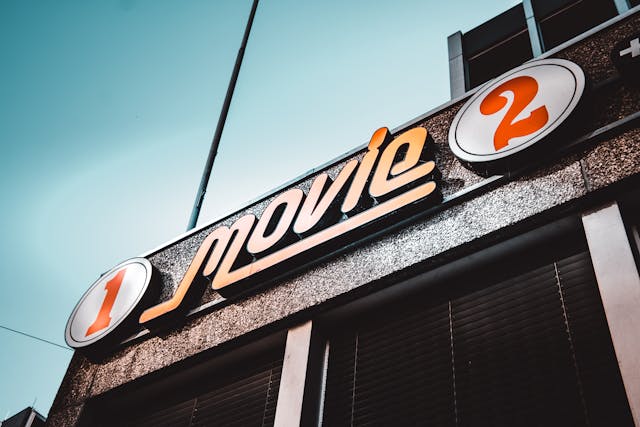
One of the most noticeable differences between digital & traditional signage lies in how easily the content gets updated. Digital signage uses screens that can show a huge variety of visuals, such as videos, animations, and changing messages, which is why it’s a total game-changer for businesses that need to get the word out about time-sensitive stuff like promotions, menu changes or upcoming events. Think about it: a café can slap up the breakfast specials on the screen in an instant, no need to print new flyers, or a retail shop can swap out those seasonal graphics for some fresh new ones with just a quick digital upload. The result is that businesses can really stay on their toes and adapt to changing customer needs. Traditional signage, on the other hand, is stuck in place, it’s static & needs to be physically swapped out if the message or design changes. Now, this means it’s not exactly the most flexible option, but it can still be pretty effective in places where the message doesn’t change much. Shopfront signs, building directories & permanent branding are all areas where traditional signs still stand out, the physical presence, the durability, all this creates a sense of stability and trust, especially in professional settings where change is relatively rare. And as a result, loads of Aussie businesses still rely on traditional signs for their core branding because they’re easy to spot & make it easy to keep the look consistent across all your locations.
Cost Considerations and Long-Term Value
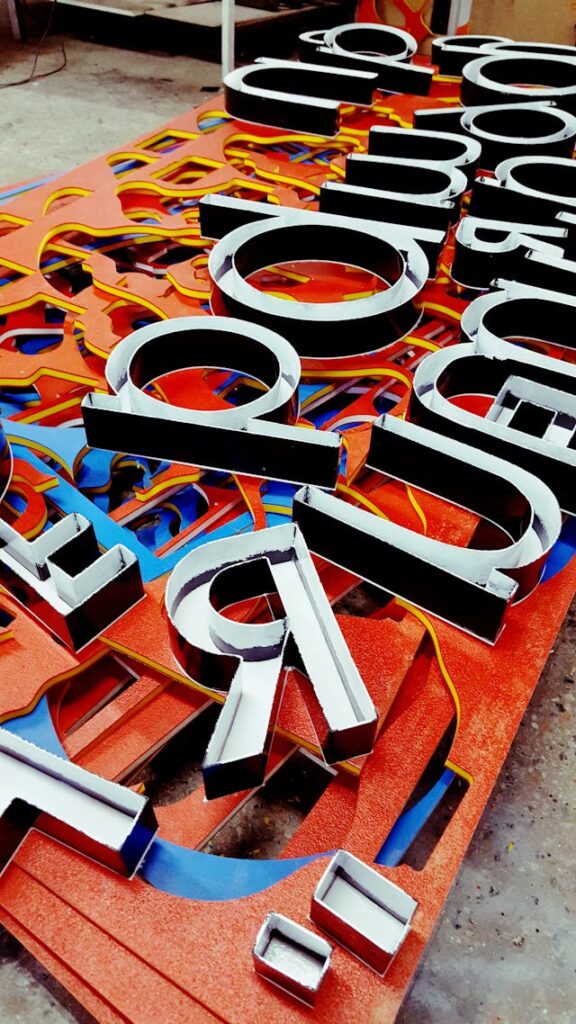
Another factor to consider is cost. Digital signage has a higher upfront cost due to screens, hardware and software. Businesses also need to consider electricity and occasional technical maintenance. But digital signage can pay off in the long run by saving on printing costs and no additional production costs for message updates. For businesses that change their advertising content frequently, this can be a cost effective solution in the long run. You can repurpose the same screen for different campaigns and have fewer design restrictions and more opportunities to play with visuals. Traditional signage has lower initial cost as it’s made of materials like vinyl, acrylic or metal. For businesses with stable branding or long term promotions, this can be a practical and budget friendly option. Once installed, traditional signage doesn’t require electricity or software updates so the ongoing cost is minimal. But if a business needs to update their messaging frequently, the repeated printing and installation costs can add up. Australian businesses need to consider how often they update their content to determine which option fits their budget.
Customer Engagement and Communication Style
Digital signage is great for engaging customers with movement and colour. Video displays and animated graphics grab attention fast which is perfect for busy public spaces like airports, malls and train stations. Digital signs can deliver multiple messages in rotation so you can communicate more information in less time. This dynamic format can enhance customer experience by providing real-time updates, interactive content or visually appealing promotions to encourage people to explore products or services. Traditional signage may be static but it’s still very effective in environments where clarity and simplicity is key. A well designed shopfront sign or interior directional sign can guide customers without overwhelming them. Traditional signage is perfect for brands that want to maintain a classic or minimalist look. It’s also great for outdoor use where sunlight may affect digital screens. In many Australian towns and suburbs traditional signage is part of the local character of the streetscape, reflecting long standing businesses and community identity.









Leave a comment